Conditions
TMJ Disorder Treatment in Waterford Twp
Jaw pain, clicking or a jaw that feels stuck can make eating and talking harder. Learn the common signs of TMJ disorder and how a dental exam can help.
Dental care for tmj disorder
Get to the root of your tmj disorder
Also known as: TMD, Temporomandibular Disorder, Jaw Joint Disorder
A sore jaw, a click every time you yawn, or a jaw that feels tired after a meal can make everyday things like eating and talking harder than they should be. These are common signs of TMJ disorder, a problem with the jaw joint and the muscles that move it. Many cases are mild and ease with simple self-care. Your dentist can examine your jaw, bite and teeth, explain what may be going on, and talk with you about options that fit your situation.

Symptoms of tmj disorder
- ✓Pain or tenderness in the jaw, the face, or just in front of the ear
- ✓Clicking, popping or grating sounds when you open or close your mouth
- ✓Trouble opening wide, or a jaw that catches, gets stuck or locks
- ✓Jaw muscles that feel tired or sore after meals or when you wake up
- ✓Headaches around the temples
- ✓An ache or a full feeling in the ears with no sign of an ear infection
Common causes
- Clenching or grinding your teeth, often during sleep
- Tight, overworked jaw muscles, often linked to stress
- Changes in the small disc that cushions the jaw joint
- Arthritis in the jaw joint
- An injury to the jaw, chin or face
- Habits that strain the jaw, such as frequent gum chewing or nail biting
Our approach
How we treat tmj disorder in Waterford Twp
- Step 1
A careful exam
We ask about your symptoms and habits, check how your jaw opens and moves, feel the jaw muscles for tenderness, and look at your teeth for signs of clenching or wear.
- Step 2
Gentle first steps
Your dentist explains what the exam shows in plain language. Care usually starts with simple, reversible steps such as jaw rest, softer foods, compresses and, when it fits, a custom night guard.
- Step 3
Follow-up and referral
We check how your jaw is doing over time and adjust the plan as needed. If your symptoms point to something outside dental care, we help you connect with a physician or specialist.
The basics
Understanding tmj disorder
You have two temporomandibular joints, one in front of each ear. Each one connects your lower jaw to your skull and works like a sliding hinge, with a small disc of cartilage that cushions the movement. Muscles on the sides of your face and head open and close your jaw many times a day as you chew, talk, swallow and yawn. TMJ disorder (often shortened to TMD) is the name for a group of problems that cause pain or trouble in these joints or in the muscles around them.
In many cases there is no single cause. Clenching or grinding, stress, muscle tension, changes in the joint's disc, arthritis or a past injury can all play a part. Many people find their symptoms ease with time and simple, conservative care, such as resting the jaw, eating softer foods and, for some, wearing a custom night guard. An exam helps your dentist rule out other causes of facial pain, such as a tooth problem, and decide which steps make sense for you.

Complimentary Consultation
Free
Meet Dr. Roach or Dr. Gietzen, talk through your smile goals and leave with a clear plan.
For new patients. No sales pitch and no obligation.
What is TMJ Disorder?
TMJ disorder is a group of conditions that cause pain or trouble in the jaw joints and the muscles that move your jaw. You may notice an aching jaw, clicking sounds, or a jaw that feels stiff or stuck. It is often called TMD, short for temporomandibular disorder, and many cases are mild.
Your temporomandibular joints sit just in front of your ears, where your lower jaw meets your skull. You use them every time you talk, chew, swallow or yawn, so even mild soreness can wear on you. Many people improve with simple, gentle care, and a dental exam can help you understand what is going on and what to try first.
Common signs
TMJ disorder looks a little different for everyone. Common signs include:
- Pain or tenderness in your jaw, your face, or just in front of your ear
- Clicking, popping or grating sounds when you open or close your mouth
- Trouble opening wide, or a jaw that catches, gets stuck or locks
- Jaw muscles that feel tired or sore after meals or when you wake up
- Headaches around your temples
- An ache or a full feeling in your ears with no sign of an ear infection
- A sense that your upper and lower teeth suddenly fit together differently
Symptoms often come and go. Many people notice them more during stressful stretches or after a night of clenching. A jaw that clicks without any pain is common and, on its own, often needs no treatment.
When to see a dentist
Schedule a visit if jaw pain lasts more than a couple of weeks, keeps coming back, or makes it hard to eat, talk or sleep. It is also worth a visit if you notice worn or chipped teeth, sore jaw muscles in the morning, or a bite that feels different. Pain in the jaw and face can also come from a cracked tooth, a cavity or an infection, so an exam helps find the real source. If the pain seems to come from one tooth, our page on toothache explains what to watch for.
Get urgent care if:
- Your jaw is locked open or closed and you cannot move it
- You have jaw pain after a fall, a blow to the face or another injury
- You have facial or jaw swelling that spreads, or swelling with a fever
- You have trouble breathing or swallowing
Call 911 if jaw pain comes with chest pain or pressure, shortness of breath, a cold sweat or nausea. Jaw pain can sometimes be a sign of a heart attack, and that needs emergency care right away.
How we can help
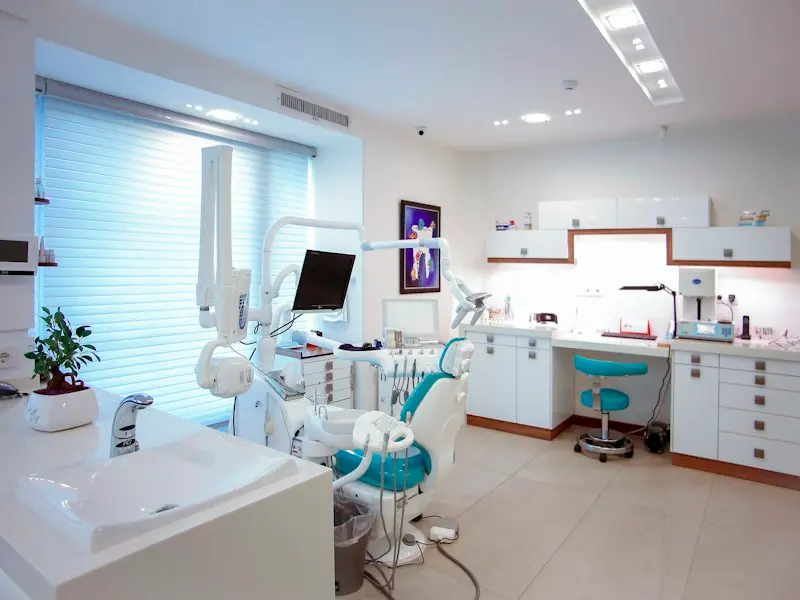
Your visit starts with a conversation about your symptoms, daily habits and health history. Your dentist checks how your jaw opens and moves, feels the jaw and neck muscles for tender spots, listens for joint sounds, and looks closely at your teeth for wear from clenching or grinding. If X-rays or other imaging would help, your dentist will explain why before taking them.
From there, you get a plain-language explanation and a plan. Dental guidance generally favors gentle, reversible steps first, and care often includes:
- Self-care guidance, such as softer foods, warm or cold compresses, gentle jaw stretches, and ways to rest your jaw during the day
- A custom night guard, a thin, fitted mouthpiece worn during sleep that can ease the strain of clenching and grinding
- Care for related problems, such as teeth grinding or chipped and cracked teeth that can come with jaw tension
If your exam points to something beyond the teeth and jaw muscles, such as arthritis in the joint or a problem that needs medical care, we will tell you and help you connect with a physician or specialist. You will always hear your options, and the reasons behind them, before you decide on anything.
Ready to talk about your jaw? Visit our new patients page to see what your first visit looks like, or book an appointment when you are ready.
Treatment options
Treatments we use for tmj disorder
Related conditions
Other conditions we treat in Waterford Twp
Patient reviews
What our Waterford Twp patients say
“I have been a client at Dental 1 for many many years and have found them knowledgeable, professional and caring. Also, the staff is awesome”
“The best team ever”
“They did a great job.Thank you”
What causes TMJ disorder?+
TMJ disorder often has more than one cause. Clenching or grinding your teeth, tense jaw muscles, stress, changes in the jaw joint's disc, arthritis and past jaw injuries can all contribute. A dental exam helps narrow down which factors are most likely involved for you.
Is jaw clicking a sign of TMJ disorder?+
Jaw clicking or popping is common, and when it happens without pain or trouble opening your mouth, it often needs no treatment. If clicking comes with pain, locking, or a change in how your teeth fit together, it is worth having your dentist check your jaw.
Can TMJ disorder go away on its own?+
For many people, TMJ symptoms are mild and ease within weeks or months, especially with simple self-care like resting the jaw and eating softer foods. Symptoms that last, return often, or get worse are a good reason to schedule a dental exam.
Can a night guard help with TMJ pain?+
A custom night guard, a thin fitted mouthpiece worn while you sleep, can help some people by easing the strain that clenching and grinding put on the jaw. It does not help everyone. Your dentist will tell you whether a guard makes sense for your symptoms.
What can I do at home for jaw pain?+
Many people find some relief by eating softer foods, cutting food into small pieces, skipping gum, using warm or cold compresses, and resting the jaw with the teeth slightly apart. Gentle jaw stretches help some people. Ask your dentist which steps suit you.
Can TMJ disorder cause headaches or ear pain?+
It can. The jaw joint sits just in front of the ear, and the jaw muscles reach up toward the temples, so TMJ problems may cause aching near the ear or headaches around the temples. Because other conditions cause similar pain, an exam helps sort out the source.
When is jaw pain an emergency?+
Get urgent care for a jaw that is locked open or closed, jaw pain after an injury, or facial swelling with a fever. Call 911 for jaw pain with chest pain, shortness of breath or sweating, because jaw pain can sometimes be a sign of a heart attack.
Does insurance cover TMJ treatment?+
Coverage varies by plan. Some dental or medical plans cover part of TMJ care, such as an exam or a night guard, and others do not. Our team can check your benefits before treatment and explain any costs so you can decide with the full picture.