Services
Dental Crowns in Waterford Twp
A dental crown covers and protects a cracked, worn or heavily filled tooth. Learn how crowns are made, what each visit involves and how to care for one.
Dental 1
Dental Crowns in Waterford Twp
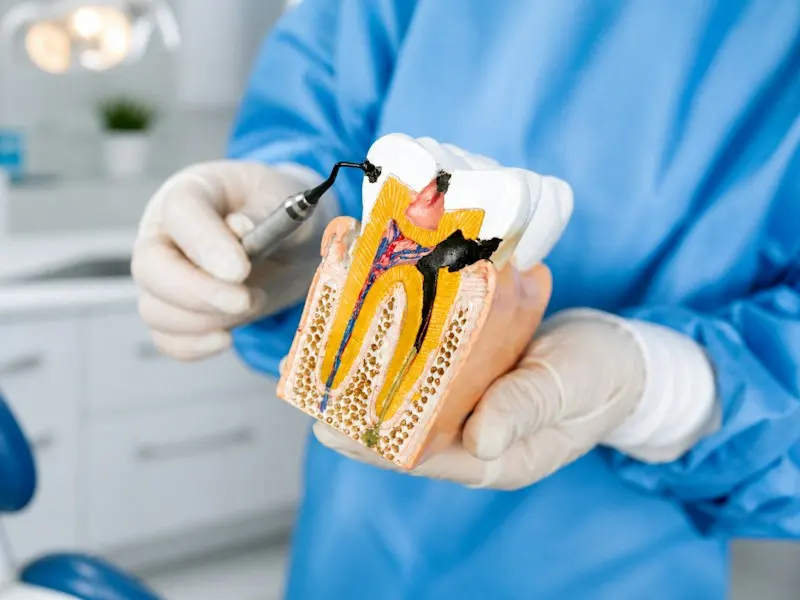
When a tooth is cracked, badly decayed or held together by a large old filling, it may need more protection than a filling can give. A dental crown is a custom cap that fits over the whole visible part of the tooth. It can help hold a weak tooth together, restore its shape and make chewing easier. Your dentist will explain why a crown is recommended, which material fits your situation, and what other options you have before you decide.
How it works
What to expect with dental crowns
- Step 1
Exam and options
Your dentist examines the tooth, checks your bite and takes X-rays to look at the root and nerve. You hear why a crown is suggested and what the alternatives are.
- Step 2
Prepare and protect the tooth
The tooth is numbed and reshaped so the crown can fit over it. An impression or scan is taken, and a temporary crown protects the tooth while the final one is made.
- Step 3
Fit and final check
At your next visit, your dentist removes the temporary, checks the fit, color and bite of your new crown, and cements it in place.
Why patients choose it
Benefits of dental crowns
Covers and protects a cracked or weakened tooth
Restores the tooth's shape to make chewing easier
Can be shaded to match nearby teeth
Protects back teeth after root canal therapy
Several material choices to fit your needs
Custom made for your bite
The basics
About dental crowns
Your teeth take a lot of force every day. Over time, a tooth can be weakened by a large cavity, a big filling, a crack or long-term grinding. A weakened tooth may hurt when you bite, feel sensitive to cold, or break further without warning. Small problems can often be fixed with a filling. When much of the tooth is gone or a crack runs across it, the walls that remain may not be strong enough to hold a filling and handle chewing.
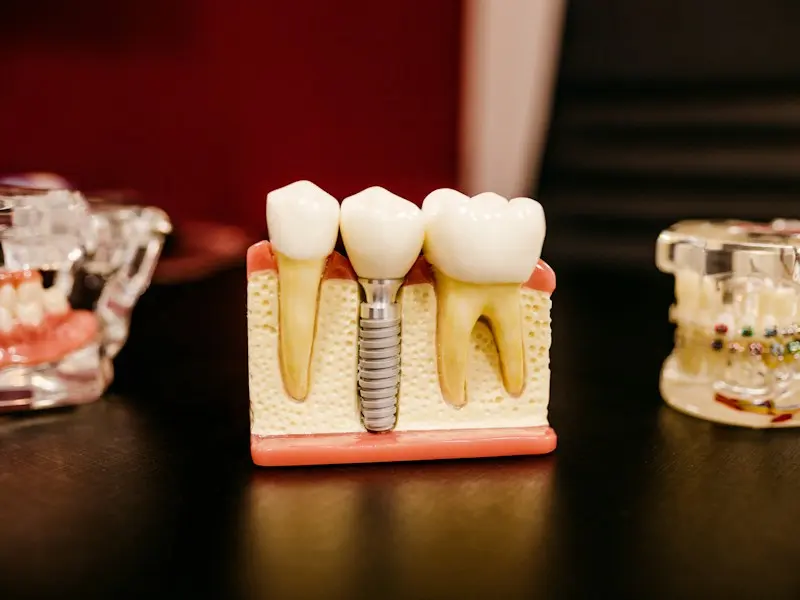
A crown covers the tooth like a cap, spreading biting forces over the whole tooth and helping protect it from further cracks. Crowns can be made of porcelain or other ceramics, metal alloys such as gold, or porcelain fused to metal. Your dentist will talk with you about which option suits the tooth's location, your bite and your goals. Crowns are also used to protect a tooth after root canal therapy, to anchor a dental bridge, and to top a dental implant.
Complimentary Consultation
Free
Meet Dr. Roach or Dr. Gietzen, talk through your smile goals and leave with a clear plan.
For new patients. No sales pitch and no obligation.
What is a dental crown?
A dental crown is a custom-made cap that fits over the entire visible part of a tooth, down to about the gumline. It restores the tooth’s shape, strength and appearance. Crowns are used for teeth that are cracked, badly decayed, worn down, or weakened by large fillings or root canal therapy.
You may hear crowns called caps. Each one is made to fit your bite and, when it is porcelain or ceramic, shaded to match your nearby teeth. Once a crown is cemented, it stays on the tooth. You brush and floss it like a natural tooth.
What to expect
Your first visit. Your dentist examines the tooth, checks your bite and takes X-rays to make sure the root and nerve are healthy. If the nerve is infected or badly inflamed, root canal therapy may be needed before the crown. If decay or old filling material has left a large hole, the tooth may be built back up first. This is called a core buildup.
Next, the tooth is numbed and gently reshaped. Your dentist removes a thin outer layer so the crown has room to fit over the tooth. They take an impression (a mold) or a digital scan of the tooth and your bite and choose a shade. A temporary crown protects the tooth while the final crown is made.
Your second visit. Your dentist removes the temporary crown, cleans the tooth and tries in the new crown. They check the fit at the gumline, the color, and how your teeth come together. Once the fit is right, the crown is cemented or bonded in place.
Some offices can design and make a crown during a single visit. Ask our team whether that is an option for your tooth.
Afterward. Mild tenderness of the gum and some sensitivity to cold for a few days are common. If your bite feels high, call us. A small bite adjustment is quick and usually helps. Care for the crown like your other teeth: brush twice a day with fluoride toothpaste, clean between your teeth once a day, and keep your regular checkups. Pay extra attention to the gumline, where the crown meets the tooth.
Who it helps
A crown may be recommended if you have:
- A chipped or cracked tooth that needs to be held together and protected
- A large cavity, or a large old filling that leaves too little healthy tooth for a new filling
- Teeth worn down or broken from teeth grinding
- A toothache when you bite, which can be a sign of a crack (your dentist will look for the cause first)
- A back tooth that has had a root canal
- A dental implant that needs a tooth on top, or a gap that will be filled with a dental bridge
If you grind your teeth, your dentist may also suggest a night guard to help protect your crown and natural teeth while you sleep. If a smaller repair, such as a tooth-colored filling, could do the job, your dentist will tell you.
A toothache with facial swelling that spreads, a fever, or trouble breathing or swallowing needs care right away. If you have trouble breathing or swallowing, call 911 or go to the nearest emergency room.
Why choose our office
Before recommending a crown, your dentist shows you what they see on your X-rays and explains why a filling may not be enough. You will hear about each material choice and what it means for looks, strength and cost. We want you to understand the plan before you agree to it.
Your dentist numbs the tooth before starting and checks in with you during the visit. Questions are welcome at every step. Our team can check your insurance benefits before treatment and explain your share of the cost, and our payment options page lists other ways to pay.
New to our office? Start with our new patient page, or book an appointment to have a tooth checked.
What it helps
Conditions we treat with dental crowns
How long does it take to get a crown?+
Many crowns take two visits. At the first, your dentist prepares the tooth, takes an impression or scan, and places a temporary crown. A dental lab then makes the final crown, which often takes two to three weeks, and it is cemented at your second visit.
Does getting a crown hurt?+
Your dentist numbs the tooth before preparing it, so most people feel pressure rather than pain. It is common for the tooth and gum to feel tender or sensitive for a few days afterward. Call our office if the pain is sharp, gets worse, or your bite feels off.
How do I care for a temporary crown?+
A temporary crown is held with softer cement, so avoid sticky and very hard foods, and chew on the other side when you can. When you floss, slide the floss out to the side instead of pulling it up. Call us if the temporary comes off.
How long does a dental crown last?+
Many crowns last for years with good care, but they can still chip, wear or loosen over time. The tooth under a crown can also get decay at the edge near the gumline. Brushing, flossing, regular checkups and a night guard if you grind all help protect it.
What are dental crowns made of?+
Common choices include all-ceramic or porcelain crowns, porcelain fused to metal, and metal alloys such as gold. Ceramic crowns tend to look the most like natural teeth. Metal crowns are very strong and need less tooth removed. Your dentist will explain which fits the tooth and your bite.
Can I get a crown in one day?+
Some offices have equipment to design and make a crown in the office during a single visit. Whether that is possible depends on the tooth and the equipment available. Ask our team whether same-day crowns are an option here, or how many visits your crown will take.
Why do I need a crown after a root canal?+
A tooth that needs a root canal has often lost a lot of structure to decay, cracks or past fillings. Back teeth also take heavy chewing forces. A crown covers and protects the tooth, which can lower the chance that it cracks after treatment.
Will insurance pay for my crown?+
Coverage varies by plan. Many plans treat crowns differently from fillings or cleanings, and some have waiting periods or yearly limits. Our team can check your benefits before treatment and walk you through any costs, so you can decide with clear information.
Explore more
Related services
Patient reviews
What our Waterford Twp patients say
“I have been a client at Dental 1 for many many years and have found them knowledgeable, professional and caring. Also, the staff is awesome”
“The best team ever”
“They did a great job.Thank you”