Services
Clear Aligners in Waterford Twp
Clear aligners are removable, custom plastic trays that gradually straighten teeth. See who they suit, how treatment works and what daily wear involves.
Dental 1
Clear Aligners in Waterford Twp
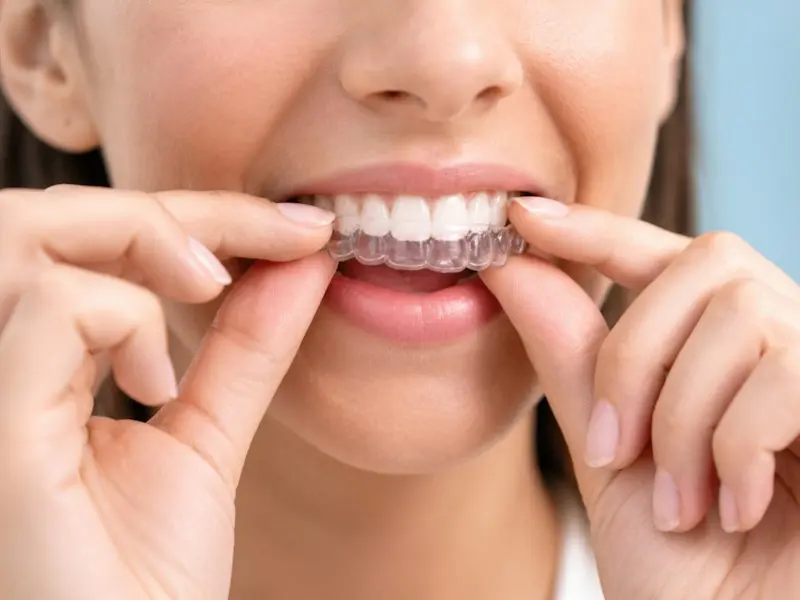
If crowded, gapped or crooked teeth bother you but you would rather not wear metal braces, clear aligners may be an option worth exploring. Aligners are thin, removable plastic trays that move your teeth gradually, one set at a time. At our office, your dentist checks your teeth, gums and bite first, explains whether aligners can handle your case, and walks you through the daily routine and timeline, so you know what treatment involves before you start.

How it works
What to expect with clear aligners
- Step 1
Exam and records
Your dentist checks for cavities and gum disease, reviews your bite, and takes X-rays, photos and impressions or a digital scan. Any problems are treated first, since teeth and gums should be healthy before teeth are moved.
- Step 2
Your treatment plan
Your dentist maps out how your teeth will move and may show you a digital preview of the planned result. You will know the estimated timeline, how often to change trays and when to come back for checks.
- Step 3
Progress checks and retainers
Regular visits let your dentist confirm your teeth are moving as planned. If needed, extra trays are made to fine-tune the result. When treatment ends, you receive a retainer to help hold your teeth in place.
Why patients choose it
Benefits of clear aligners
Clear trays that are hard to notice when worn
Removable for eating, brushing and flossing
No brackets or wires to clean around
Gentle, gradual tooth movement
Regular check-ins to track progress
A clear plan and estimated timeline before you begin
The basics
About clear aligners
Each aligner is shaped slightly differently from the one before it. When you wear it, it puts gentle, steady pressure on certain teeth, and the bone around the roots slowly reshapes so the teeth can shift. You switch to a new set on a schedule your dentist sets, often every one to two weeks. Small tooth-colored bumps called attachments may be bonded to some teeth so the trays can grip and guide them.
Aligners only work while they are in your mouth, so they are usually worn 20 to 22 hours a day and taken out only to eat, to drink anything other than plain water, and to brush and floss. Treatment length depends on how much your teeth need to move, from several months to more than a year. Aligners suit many cases of mild to moderate crowding and spacing, but more complex bite problems may be better treated with braces, and some cases are referred to an orthodontist. After treatment, a retainer helps keep teeth from drifting back.

Complimentary Consultation
Free
Meet Dr. Roach or Dr. Gietzen, talk through your smile goals and leave with a clear plan.
For new patients. No sales pitch and no obligation.
What are clear aligners?
Clear aligners are a series of thin, custom-made plastic trays that fit snugly over your teeth and gradually move them into better alignment. You wear each set for a week or two before switching to the next. They are removable, hard to notice and used to treat many cases of crowded or gapped teeth.
Aligners are a type of orthodontic treatment, which means care that moves teeth and improves how they line up. They work on the same basic idea as braces, gentle pressure over time, but without brackets or wires. Straighter teeth can be easier to brush and floss, and some people choose aligners before veneers or whitening as part of a larger smile makeover.
What to expect
Your first visit. Your dentist examines your teeth and gums, checks your bite, and takes X-rays, photos and impressions or a digital scan. Cavities and gum disease need to be treated before teeth are moved, so these are taken care of first. If your case is complex, your dentist may refer you to an orthodontist, a dentist who specializes in straightening teeth and correcting bites.
Planning your treatment. Your dentist creates a plan that maps each step of your teeth’s movement, and your aligners are made from that plan. Some people also need small tooth-colored attachments bonded to a few teeth. Others need a tiny amount of enamel smoothed between certain teeth to make room for them to move.
Wearing your aligners. You wear your trays 20 to 22 hours a day and switch to a new set on the schedule your dentist gives you. Take them out to eat and to drink anything other than water, then brush before putting them back in. Each new set may feel tight for a day or two. Clean your trays as your dentist shows you, and keep them in their case when they are not in your mouth.
Check-in visits. Every several weeks, you come in so your dentist can check your progress. If your teeth are not moving exactly as planned, extra trays may be ordered to refine the result.
After treatment. You receive a retainer to help keep your teeth from shifting back. Your dentist will explain how often to wear it and how to care for it.
Who it helps
Clear aligners are often a good fit for:
- Crooked teeth with mild to moderate crowding
- Gaps or spaces between teeth
- Teeth that have shifted after braces when a retainer was not worn
- Some overbites, underbites and crossbites, depending on how severe they are
- Adults and teens who are ready to wear their trays consistently
Crowded teeth can be harder to clean, which may raise the risk of cavities and gum problems in tight spots. Straightening them can make daily brushing and flossing easier. If you also grind your teeth or have jaw pain, mention it at your exam, since your dentist will want to know before planning any tooth movement.
Why choose our office
Clear aligner treatment takes months of daily commitment, so we make sure you understand it before you start. Your dentist explains whether aligners suit your teeth, what the timeline looks like and what is expected of you each day. If braces or an orthodontist would serve you better, we will tell you. Questions are welcome at every check-in.
Coverage varies by plan; our team can check your benefits before treatment and go over payment options.
To learn what your first visit looks like, see our new patient page, or book an appointment to ask whether clear aligners are right for you.
What it helps
Conditions we treat with clear aligners
How long does clear aligner treatment take?+
It depends on how much your teeth need to move and how consistently you wear your trays. Simple cases may take several months, while others take a year or longer. Your dentist will give you an estimated timeline after your exam and update it as you go.
How many hours a day do I need to wear aligners?+
Aligners are usually worn 20 to 22 hours a day. Take them out to eat, to drink anything other than plain water, and to brush and floss. Leaving them out for long stretches can slow your progress or keep teeth from moving as planned.
Do clear aligners hurt?+
Many people feel pressure or mild soreness for a day or two after switching to a new set of trays. This is normal and usually fades quickly. Soft foods and an over-the-counter pain reliever, if it is safe for you, can help during those first days.
Are clear aligners right for everyone?+
No. Aligners suit many cases of mild to moderate crowding, spacing and some bite problems. Severe crowding, large bite differences or teeth that need major rotation may be better treated with braces. Your dentist will tell you whether aligners fit your case or whether an orthodontist referral makes sense.
What happens after I finish my aligners?+
Teeth tend to drift back toward their old positions, especially in the first months after treatment. Your dentist will give you a retainer and explain how often to wear it. Many people wear a retainer at night over the long term to help hold their results.
Can I eat or drink with aligners in?+
Plain water is fine. For everything else, take your aligners out. Food can get trapped under the trays and raise the risk of cavities, and hot or colored drinks can warp or stain them. Brush or rinse before putting your aligners back in.
What if I lose or break an aligner?+
Call our office as soon as you can. Depending on where you are in treatment, your dentist may have you move to your next set, go back to your previous set or order a replacement. Keep your trays in their case whenever they are out of your mouth.
Does insurance cover clear aligners?+
Some dental plans include orthodontic benefits that can apply to clear aligners, and others do not. Coverage varies by plan. Our team can check your benefits before treatment, explain the costs and review payment options with you before you decide.
Explore more
Related services
Patient reviews
What our Waterford Twp patients say
“I have been a client at Dental 1 for many many years and have found them knowledgeable, professional and caring. Also, the staff is awesome”
“The best team ever”
“They did a great job.Thank you”