Conditions
Cavities Treatment in Waterford Twp
Cavity care and prevention for adults and kids. Your dentist checks for tooth decay, explains your repair options and helps you protect your teeth.
Dental care for cavities
Get to the root of your cavities
Also known as: Tooth Decay, Dental Caries, Caries
Cavities are one of the most common dental problems for children and adults, and they often start without any pain. By the time a tooth hurts, the decay may already be deep. The good news is that regular checkups can find decay early, when treatment is usually smaller and simpler. Our team checks for cavities at every exam, explains what we find in plain language, and helps you build habits that protect your teeth between visits.
Symptoms of cavities
- ✓Sensitivity to sweets, hot drinks or cold foods
- ✓A visible hole, pit or rough spot on a tooth
- ✓White, brown or black spots on the tooth surface
- ✓Pain when you bite down
- ✓A toothache that comes and goes or does not go away
- ✓Food that keeps getting stuck in the same spot
Common causes
- Plaque, a sticky film of bacteria that builds up on teeth every day
- Frequent snacking or sipping on sugary or starchy foods and drinks
- Brushing or cleaning between teeth less often than recommended
- Dry mouth, which leaves less saliva to rinse and protect the teeth
- Deep grooves in back teeth that trap food and bacteria
- Receding gums that expose the softer root surfaces of teeth
Our approach
How we treat cavities in Waterford Twp
- Step 1
Look closely
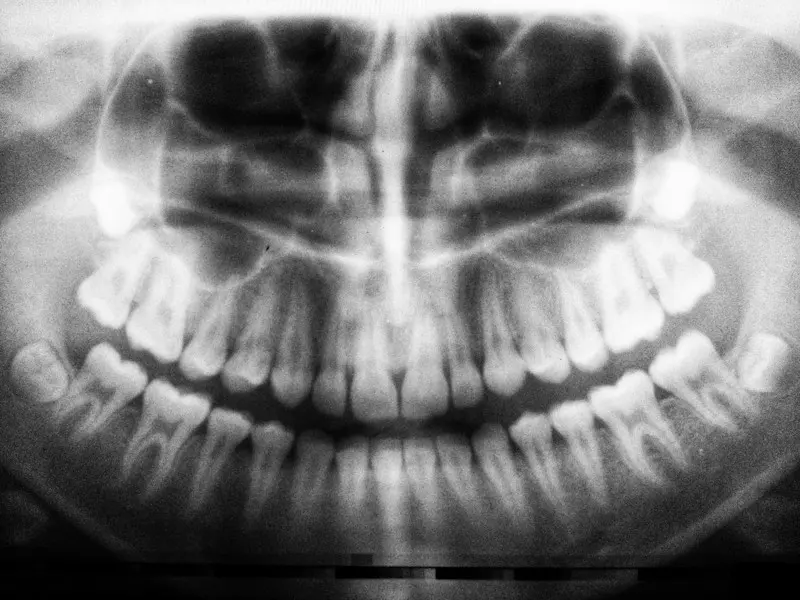
Your dentist examines each tooth and uses X-rays to check between teeth and under old fillings, where decay often hides. We also point out early weak spots you can watch.
- Step 2
Repair what needs it
Small cavities are usually treated with a tooth-colored filling. Deeper decay may need a crown or other care. We explain each option, and why we suggest it, before we start.
- Step 3
Help prevent the next one
We talk about brushing, cleaning between teeth, snacks and fluoride, and we suggest a checkup schedule that fits your risk. Small changes at home often make a real difference.
The basics
Understanding cavities
A cavity is damage to a tooth caused by decay. It begins with plaque, a sticky film of bacteria that forms on your teeth every day. When you eat or drink sugars and starches, those bacteria make acids that pull minerals out of the enamel, the hard outer layer of the tooth. At first this can show up as a chalky white spot. At this early stage, fluoride and good home care can often help the enamel recover. If the acid attacks continue, the enamel breaks down and a hole forms.
Once a cavity forms, it does not heal on its own. Decay can spread into the dentin, the softer layer under the enamel, and then toward the pulp, where the nerve lives. That is often when a cavity starts to hurt, and it may need a larger repair, such as a crown or root canal therapy. Cavities can form on chewing surfaces, between teeth and along the gumline, so some can only be found with X-rays. Small cavities found early are usually repaired with a simple filling.
Complimentary Consultation
Free
Meet Dr. Roach or Dr. Gietzen, talk through your smile goals and leave with a clear plan.
For new patients. No sales pitch and no obligation.
What are cavities?
A cavity is a hole or damaged area in a tooth caused by tooth decay. Decay happens when bacteria in plaque turn sugars into acids that wear away the enamel, the tooth’s hard outer layer. Cavities are also called dental caries. They are very common and can affect people of any age.
Cavities usually grow slowly. That gives you and your dentist a window to catch them while they are small, when repair is often quick and simple.
Common signs
Early cavities usually do not hurt, which is why many are found at routine checkups. As decay grows, you may notice:
- Sensitivity to sweets, cold drinks or hot foods in one tooth
- A visible hole or pit, or a rough spot you can feel with your tongue
- White, brown or black spots on the surface of a tooth
- Pain when you bite down or a toothache that comes and goes
- Food that catches in the same place again and again
Some cavities form between teeth or under old fillings, where you cannot see them. X-rays help your dentist find these before they cause pain.
Who is more likely to get cavities
Anyone can get a cavity. Your risk may be higher if you snack or sip sweet drinks often, have dry mouth from medicines or a health condition, have deep grooves in your back teeth, wear braces or another appliance that traps food, or have receding gums. Young children and older adults are often at higher risk, too. If dry mouth is a problem for you, mention it at your visit, since saliva helps protect teeth from decay.
When to see a dentist
The easiest way to stay ahead of cavities is to keep up with regular checkups on the schedule your dentist recommends. Between visits, book an appointment if you notice:
- Sensitivity to sweets, hot or cold that does not go away
- A dark spot, hole or rough area on a tooth
- Pain when you chew or bite
- A filling that feels rough, cracked or loose
- Food that keeps getting stuck between the same teeth
A cavity that is left alone can turn into a toothache or a dental abscess, an infection at the root of the tooth. Get emergency care right away (go to an emergency room or call 911) if you have facial swelling that spreads, trouble breathing or swallowing, or a fever along with tooth pain.
How we can help
At your checkup, your dentist examines each tooth and may use digital X-rays to look between teeth and under older fillings. If we find decay, we show you where it is, explain how deep it goes and talk through your options before any treatment starts.
Depending on the size and location of the cavity, treatment may include:
- Tooth-colored fillings for most small and medium cavities. The decay is removed and the tooth is filled with a material shaded to match your tooth.
- Dental crowns when decay has weakened a large part of the tooth. A crown is a cap that covers and protects what remains.
- Root canal therapy when decay has reached the pulp and the nerve is inflamed or infected.
- Dental cleanings that remove plaque and tartar, along with fluoride to help strengthen enamel.
- General dentistry checkups that track weak spots over time.
- Children’s dentistry, gentle dental care for kids, including tips for parents on brushing and snacks.
Sealants, a thin coating painted onto the chewing surfaces of back teeth, are another common way to help protect children’s teeth from decay. Ask our team whether they are a good fit for your child.
Coverage for fillings and other treatment varies by plan; our team can check your benefits before treatment.
Ready for a checkup? Visit our new patients page to see what your first visit looks like, or book an appointment today.
Treatment options
Treatments we use for cavities
General Dentistry
Checkups, cleanings, fillings and everyday care for your teeth and gums, with clear explanations and a plan built around your needs and goals.
Learn more →Tooth-Colored Fillings
Tooth-colored fillings repair cavities and small chips with a natural-looking material that bonds to your tooth, usually in a single visit.
Learn more →Children's Dentistry
Gentle dental care for kids, from the first tooth through the teen years, with checkups, cleanings, fluoride and sealants in a calm, friendly setting.
Learn more →Dental Cleanings & Exams
Professional cleanings and exams remove plaque and tartar, check your teeth and gums, and help find problems early, when care is often simpler.
Learn more →Dental Crowns
A dental crown covers and protects a cracked, worn or heavily filled tooth. Learn how crowns are made, what each visit involves and how to care for one.
Learn more →Root Canal Therapy
Root canal therapy treats infected or inflamed pulp inside a tooth so the tooth can often be saved. Learn the signs, the steps and what recovery is like.
Learn more →Restorative Dentistry
Restorative dentistry repairs damaged teeth and replaces missing ones with fillings, crowns, bridges, implants and dentures, so you can chew and smile with comfort.
Learn more →Related conditions
Other conditions we treat in Waterford Twp
Patient reviews
What our Waterford Twp patients say
“I have been a client at Dental 1 for many many years and have found them knowledgeable, professional and caring. Also, the staff is awesome”
“The best team ever”
“They did a great job.Thank you”
Can a cavity go away on its own?+
No. Once decay has made a hole in the enamel, the tooth cannot rebuild it. Very early decay, which looks like a chalky white spot, can sometimes be stopped with fluoride and better home care. Your dentist will tell you which stage you have.
How do I know if I have a cavity?+
Early cavities often cause no symptoms at all. Later, you may notice sensitivity to sweets or cold, a visible hole or dark spot, or pain when biting. Regular exams and X-rays help your dentist find cavities before they start to hurt.
Does getting a filling hurt?+
Your dentist numbs the area first, so many people feel pressure rather than pain during a filling. The tooth may feel a little sensitive for a few days afterward. If you feel nervous, let us know, and we will talk through ways to help you relax.
Do cavities in baby teeth matter if the teeth will fall out anyway?+
Yes. Baby teeth help children chew, speak and hold space for adult teeth. Untreated cavities in baby teeth can cause pain and infection, and an infection can affect the adult tooth developing underneath. That is one reason regular checkups matter for kids.
How can I prevent cavities?+
Brush twice a day with a fluoride toothpaste, clean between your teeth once a day, and limit sugary snacks and drinks between meals. Regular checkups and cleanings help find early decay and remove tartar, the hardened plaque that brushing cannot remove.
Why do I still get cavities when I brush every day?+
Brushing helps a lot, but other things can raise your risk, such as frequent snacking, sipping sweet drinks, dry mouth, deep grooves in your teeth or worn fillings. Your dentist can review your habits and health history to find what is adding to your risk.
What happens if a cavity is not treated?+
Decay usually keeps growing. It can reach the nerve inside the tooth and cause pain or an infection called an abscess. At that point a filling may not be enough, and you may need root canal therapy, a crown or, in some cases, an extraction.
When should my child first see a dentist?+
The American Dental Association recommends a first dental visit within six months of the first tooth appearing, and no later than the first birthday. Early visits help catch decay early and let your child get comfortable at the dentist.