Conditions
Snoring & Sleep Apnea Care in Waterford Twp
Loud snoring can be a warning sign of sleep apnea. Learn the signs, why a physician must diagnose it, and how a dentist may help with an oral appliance.
Dental care for snoring & sleep apnea
Get to the root of your snoring & sleep apnea
Also known as: Obstructive Sleep Apnea, OSA, Sleep-Disordered Breathing
Snoring is common, and on its own it is not always a health problem. But loud snoring with pauses in breathing, gasping or heavy daytime sleepiness can be a sign of obstructive sleep apnea, a condition where the airway repeatedly narrows or closes during sleep. Sleep apnea must be diagnosed by a physician or sleep specialist. Once it is diagnosed, your dentist may be able to help by working with your physician on a custom oral appliance, if it is a good fit for you.
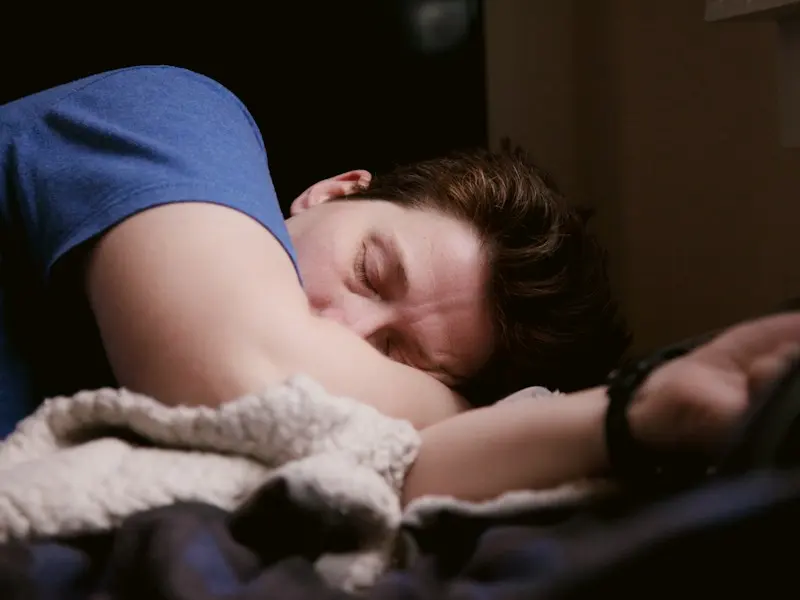
Symptoms of snoring & sleep apnea
- ✓Loud, frequent snoring
- ✓Pauses in breathing during sleep that a partner notices
- ✓Waking up gasping, choking or snorting
- ✓Feeling very tired or sleepy during the day, even after a full night in bed
- ✓Morning headaches, or a dry mouth or sore throat when you wake
- ✓Trouble concentrating, irritability or mood changes
Common causes
- Extra body weight, which can narrow the airway
- A naturally narrow airway, large tonsils or a large tongue
- A small or set-back lower jaw
- Alcohol or sedating medications before bed, which relax the throat muscles
- Sleeping on your back
- Nasal congestion, smoking and older age

Our approach
How we treat snoring & sleep apnea in Waterford Twp
- Step 1
Notice the warning signs
At a dental visit we may ask about snoring, sleep and daytime tiredness. These questions do not diagnose sleep apnea, but they can tell us when to suggest seeing your physician.
- Step 2
Work with your physician
Your physician or a sleep specialist evaluates you and orders a sleep study. If you are diagnosed and an oral appliance is recommended, we coordinate with them on next steps.
- Step 3
Fit a custom oral appliance
Most appliances gently hold the lower jaw slightly forward during sleep. Your dentist fits yours, then checks the fit, your comfort and your teeth at follow-up visits.
The basics
Understanding snoring & sleep apnea
When you sleep, the muscles in your throat relax. In some people, the soft tissues at the back of the throat and the tongue fall back enough to narrow the airway. Air moving past them vibrates, and that causes snoring. In obstructive sleep apnea, the airway narrows a lot or closes completely, again and again through the night. Breathing pauses until your brain briefly wakes you to reopen it, often so briefly that you do not remember it.
Untreated sleep apnea can leave you exhausted and is linked to health problems such as high blood pressure and heart disease, so it deserves real medical attention. Diagnosis requires a sleep study ordered by a physician, done at home or in a sleep lab. Treatment depends on the results and may include a CPAP machine (a device that gently pushes air through a mask to keep your airway open), lifestyle changes or an oral appliance. A dentist makes an oral appliance only after a physician or sleep specialist has diagnosed you and recommends that option.

Complimentary Consultation
Free
Meet Dr. Roach or Dr. Gietzen, talk through your smile goals and leave with a clear plan.
For new patients. No sales pitch and no obligation.
What are Snoring and Sleep Apnea?
Snoring is the rough, rattling sound made when air moves past relaxed tissues in the throat during sleep. Obstructive sleep apnea is a more serious sleep disorder in which the airway repeatedly narrows or closes, so breathing stops and starts through the night. Snoring alone is not a diagnosis, but loud snoring can be a warning sign.
Only a physician or sleep specialist can diagnose sleep apnea, usually with a sleep study. Dentists play a supporting role. We may notice warning signs during a routine visit, and once you have a diagnosis, we can work with your physician to make a custom oral appliance if it is a good option for you.
Common signs
Many signs of sleep apnea happen while you are asleep, so a bed partner or family member often notices them first. Watch for:
- Loud snoring most nights
- Pauses in breathing, choking or gasping during sleep
- Waking often during the night, including getting up often to use the bathroom
- Feeling very sleepy during the day, or nodding off while reading, watching TV or driving
- Morning headaches, or a dry mouth or sore throat when you wake
- Trouble focusing, memory lapses, or feeling irritable
At a dental visit, your dentist may also see signs that can go along with sleep problems, such as worn teeth from teeth grinding, a large tongue or tonsils, or a narrow airway at the back of the mouth. These signs do not mean you have sleep apnea, but they can be a reason to talk with your physician.
When to see a dentist
For snoring and possible sleep apnea, your first stop is usually your physician. Talk with your physician or a sleep specialist if you snore loudly and also have any of the signs above, especially breathing pauses or heavy daytime sleepiness. They can decide whether you need a sleep study.
A visit with your dentist makes sense when:
- Your physician or sleep specialist has diagnosed obstructive sleep apnea and recommends an oral appliance
- You have been diagnosed, cannot tolerate CPAP, and your physician wants to look at other options
- You already wear an oral appliance and it feels uncomfortable, has cracked, or your bite feels different
- You snore, your physician has ruled out sleep apnea, and you would like to talk about whether an appliance could help
Please do not drive or operate machinery when you feel drowsy. Get emergency care right away for chest pain, severe shortness of breath, or trouble breathing while you are awake.
How we can help
If you mention snoring or tiredness at a dental visit, your dentist will ask a few questions and look for related signs in your mouth. If anything suggests sleep apnea, we will encourage you to see your physician or a sleep specialist for an evaluation. We do not diagnose sleep apnea, and we do not make an appliance for it without a physician’s diagnosis.
Once you have a diagnosis and your physician recommends an oral appliance, our oral appliances for sleep apnea care follows a careful process:
- Review your diagnosis. We look at your sleep study results and your physician’s recommendation, and check your teeth, gums and jaw joints to make sure an appliance is a safe fit for your mouth.
- Take impressions or scans. Your appliance is custom-made from impressions or digital scans of your teeth.
- Fit and adjust. Your dentist fits the appliance, shows you how to wear and clean it, and adjusts it gradually at follow-up visits so it stays comfortable.
- Follow up with your physician. Your physician may order a follow-up sleep test to see how well the appliance is working. We share updates and keep watching your teeth, bite and jaw over time.
An oral appliance is one option among several. Some people do better with CPAP, lifestyle changes or a combination, and your physician guides that decision. Our role is to make sure that, if an appliance is right for you, it fits well and is comfortable to wear. Coverage varies by plan, and our team can check your benefits before treatment.
Have questions about snoring or an oral appliance? Visit our new patients page to see what your first visit looks like, or book an appointment when you are ready.
Treatment options
Treatments we use for snoring & sleep apnea
Related conditions
Other conditions we treat in Waterford Twp
Patient reviews
What our Waterford Twp patients say
“I have been a client at Dental 1 for many many years and have found them knowledgeable, professional and caring. Also, the staff is awesome”
“The best team ever”
“They did a great job.Thank you”
Is snoring always a sign of sleep apnea?+
No. Many people snore without having sleep apnea. Snoring is more concerning when it is loud and frequent, or when it comes with pauses in breathing, gasping or heavy daytime sleepiness. If you notice these signs, ask your physician whether you need a sleep evaluation.
Can a dentist diagnose sleep apnea?+
No. Sleep apnea must be diagnosed by a physician or sleep specialist, usually with a sleep study done at home or in a sleep lab. A dentist may notice warning signs and suggest an evaluation, and can make an oral appliance once a diagnosis is in place.
How does an oral appliance for sleep apnea work?+
An oral appliance looks a bit like a mouth guard or retainer and is worn while you sleep. Most types gently hold the lower jaw slightly forward, which can help keep the airway open. It is custom-made for your teeth and adjusted over time for comfort and fit.
Is an oral appliance an alternative to CPAP?+
For some people, yes. Oral appliances are often considered for mild to moderate obstructive sleep apnea, or for people who cannot tolerate CPAP. Your physician or sleep specialist decides which treatment fits your diagnosis, and your dentist works with them if an appliance is recommended.
Can an oral appliance help with snoring alone?+
A custom oral appliance may reduce snoring for some people. Because loud snoring can also be a sign of sleep apnea, it is important to have your physician rule out sleep apnea before treating snoring on its own, so a serious condition is not missed.
Are there side effects of oral appliances?+
Some people notice jaw soreness, extra saliva, a dry mouth, or a bite that feels slightly different in the morning, especially at first. Over time, an appliance can shift the teeth or bite. Regular follow-up visits help your dentist watch for these changes and adjust the fit.
Why does sleep apnea matter for my health?+
Untreated sleep apnea can leave you tired during the day, which raises the risk of drowsy driving. It is also linked to high blood pressure, heart disease, stroke and type 2 diabetes. That is why getting a proper diagnosis and a treatment plan from a physician matters.
Does insurance cover an oral appliance for sleep apnea?+
Coverage varies by plan. Because sleep apnea is a medical condition, an oral appliance is sometimes billed through medical insurance rather than dental, and a diagnosis is usually required. Our team can check your benefits before treatment and explain any costs.