Services
Full-Mouth Reconstruction in Waterford Twp
Full-mouth reconstruction rebuilds many worn, broken or missing teeth with a phased plan that combines treatments to restore how your teeth work and look.
Dental 1
Full-Mouth Reconstruction in Waterford Twp
When many teeth are worn, broken, missing or failing at once, fixing them one at a time can feel endless. Full-mouth reconstruction looks at your whole mouth together. Your dentist examines your teeth, gums, bite and jaw joints, then builds a step-by-step plan to restore how your teeth work and look. The plan is explained in plain language, broken into phases, and paced to fit your health, schedule and budget. You decide how to move forward.

How it works
What to expect with full-mouth reconstruction
- Step 1
Complete evaluation
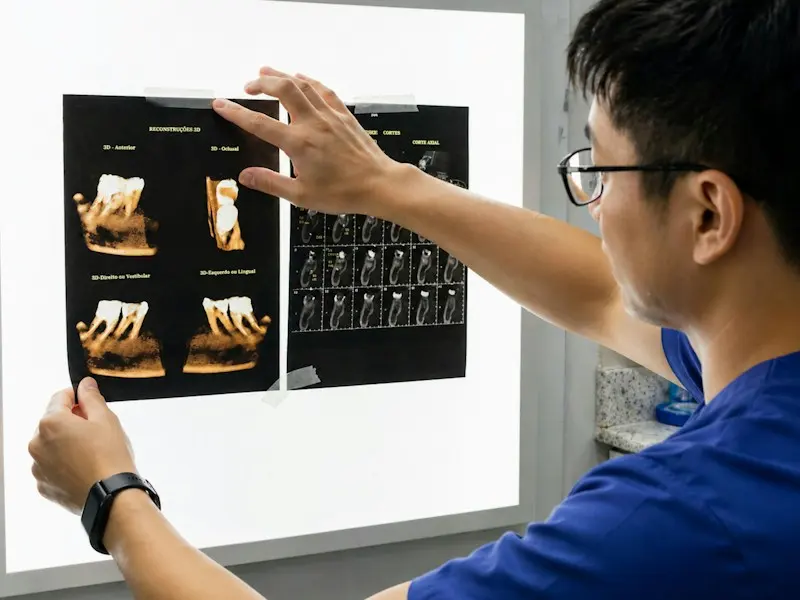
Your dentist examines every tooth, your gums, your bite and your jaw joints, and takes X-rays, photos and impressions or scans to see the full picture.
- Step 2
A phased plan
Your dentist walks you through a plan that puts urgent and health needs first, shows the order of treatment, and explains your options and costs for each phase.
- Step 3
Treat, test and protect
Treatment happens in steps. Temporary teeth may be used to test changes to your bite before the final work, and a night guard may be suggested to protect it.
Why patients choose it
Benefits of full-mouth reconstruction
One coordinated plan instead of one tooth at a time
Health and function first, then appearance
Can restore chewing with worn, broken or missing teeth
Phased to fit your schedule and budget
Temporary teeth let you try changes before final work
Specialist care coordinated when it is needed
The basics
About full-mouth reconstruction
Problems in the mouth tend to build on each other. A missing tooth lets nearby teeth drift. Grinding wears teeth down and can crack old fillings. Acid from reflux or from sipping soda and sports drinks through the day can thin the enamel. Gum disease can loosen teeth. Over time your bite may change, chewing may get harder, and dental work may keep breaking. Treating one tooth at a time without a plan can mean the same problems keep coming back.
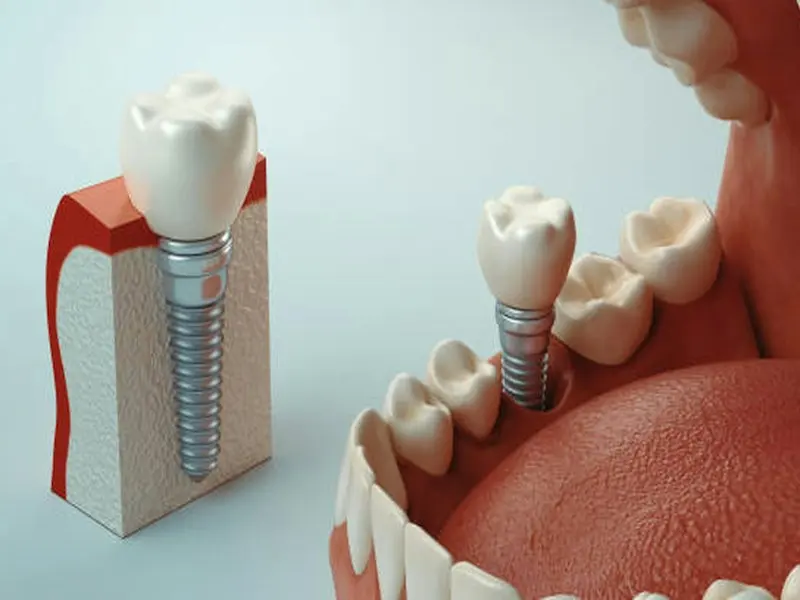
Full-mouth reconstruction is not a single procedure. It is a plan that may combine several treatments, such as gum care, fillings, root canal therapy, crowns, bridges, implants or dentures. Unlike a smile makeover, which is mainly about appearance, reconstruction focuses first on health and function: healthy gums, a stable bite and teeth that can handle chewing. Appearance often improves along the way. Some steps may be referred to specialists, such as a periodontist (gum specialist), an oral surgeon or an orthodontist, while your dentist coordinates the overall plan.
Complimentary Consultation
Free
Meet Dr. Roach or Dr. Gietzen, talk through your smile goals and leave with a clear plan.
For new patients. No sales pitch and no obligation.
What is full-mouth reconstruction?
Full-mouth reconstruction is a planned series of treatments that rebuilds or replaces most or all of the teeth in both jaws. It brings care such as crowns, bridges, implants, dentures and gum treatment together into one coordinated plan. The goal is a healthy mouth, a stable bite and teeth that work well together.
You may also hear it called full-mouth rehabilitation or full-mouth restoration. Whatever the name, the idea is the same: look at the whole mouth, find out why problems keep happening, and treat them in a sensible order.
What to expect
A complete evaluation. Reconstruction starts with a longer exam. Your dentist checks each tooth, measures your gums, looks at how your teeth meet and how your jaw joints move, and screens for oral cancer. Digital X-rays, photos and impressions or scans help map out the details. Your dentist also reviews your health history and medications, since some medicines cause dry mouth, which raises the risk of decay.
Your plan. Your dentist walks you through what they found and a step-by-step plan. Health problems such as infection and gum disease usually come first. Rebuilding damaged teeth and replacing missing ones follow. You will see your options for each phase, the expected number of visits and the costs. If some steps involve a specialist, your dentist will explain why and help coordinate referrals.
Treatment in phases. Most plans unfold over several appointments. Temporary crowns or other temporary teeth are often placed first, so you can try changes to your bite and the look of your teeth before the final work is made. This is your chance to speak up about anything that does not feel right.
Protecting the result. When treatment is complete, your dentist will show you how to clean around your new work and will see you for regular checkups. If you grind or clench, a night guard is often recommended to help protect your teeth while you sleep. Your dentist will also talk with you about everyday habits that help protect the new work, such as limiting acidic drinks and not using your teeth to open packages.
Who it helps
Full-mouth reconstruction may be worth discussing if you have:
- Several missing teeth that make chewing hard
- Many chipped or cracked teeth, or old fillings and crowns that keep breaking
- Teeth worn short from teeth grinding or from acid wearing away the enamel
- Gum disease that has loosened teeth or caused them to shift
- A mix of problems you have put off and now want to address with one plan
Your plan may include dental implants, dental crowns, gum disease treatment and other care. If your main goal is to change how your smile looks rather than how it works, a smile makeover may be a better fit.
If any tooth hurts and you also have facial swelling that spreads, a fever, or trouble breathing or swallowing, get care right away. For trouble breathing or swallowing, call 911 or go to the nearest emergency room.
Why choose our office
A large treatment plan can feel overwhelming, so we keep it clear. Your dentist explains each phase in plain language, shows you what they see on your X-rays and photos, and tells you what is urgent and what can wait. You set the pace, and you can ask questions at any point.
Our team can check your insurance benefits before each phase and help you plan treatment around your yearly benefits when that makes sense. You can also review our payment options page.
Want to talk about where to start? Visit our new patient page to see what your first visit includes, or book an appointment for a complete exam.
What it helps
Conditions we treat with full-mouth reconstruction
How is full-mouth reconstruction different from a smile makeover?+
A smile makeover is mainly cosmetic and focuses on how your teeth look. Full-mouth reconstruction focuses first on health and function, such as treating gum disease, rebuilding worn or broken teeth and replacing missing ones. Your smile often looks better too, but function comes first.
How long does full-mouth reconstruction take?+
It depends on how much work is needed. Some plans take a few months. Plans that include gum treatment, implants or healing time after extractions can take longer, sometimes a year or more. Your dentist will give you an estimated timeline for each phase.
Will I have to go without teeth during treatment?+
Usually not. Your dentist plans temporary crowns, bridges or dentures so you have teeth to eat and smile with while the final work is made. Your dentist will explain what you will have in your mouth at each stage of your plan, so there are no surprises.
Is full-mouth reconstruction covered by insurance?+
Coverage varies by plan. Many plans cover some parts, such as fillings, crowns or gum care, but have yearly limits. Some patients spread treatment over more than one plan year. Our team can check your benefits before treatment and explain your costs for each phase.
Do I need to treat gum disease first?+
Usually, yes. Crowns, bridges and implants need healthy gums and bone to hold up well. If you have gum disease, your dentist will typically treat it first with a deep cleaning or other gum care, then move on to rebuilding the teeth once the gums are stable.
What causes teeth to wear down so much?+
Common causes include grinding or clenching, often during sleep, acid from reflux or frequent soda and sports drinks, and a bite that puts uneven force on some teeth. Your dentist looks for the cause so new work can be protected. Ongoing reflux should also be checked by a physician.
Will my new teeth need special care?+
Care is much like caring for natural teeth. Brush twice a day, clean between your teeth daily and keep your regular checkups. Bridges and implants may need special floss or small brushes. If you grind, a night guard can help protect your new crowns and natural teeth.
Am I too old for full-mouth reconstruction?+
Age alone is not usually the deciding factor. Your dentist looks at your overall health, medications, gums, bone and goals. Some health conditions affect healing, so your dentist may talk with your physician. You will hear which options fit your situation before deciding.
Explore more
Related services
Patient reviews
What our Waterford Twp patients say
“I have been a client at Dental 1 for many many years and have found them knowledgeable, professional and caring. Also, the staff is awesome”
“The best team ever”
“They did a great job.Thank you”