Services
Porcelain Veneers in Waterford Twp
Porcelain veneers are thin, custom shells bonded to the front of teeth to cover stains, chips, gaps and uneven shapes. See the steps and what to expect.
Dental 1
Porcelain Veneers in Waterford Twp
If stains, chips, small gaps or uneven teeth make you hide your smile, porcelain veneers may be worth considering. Veneers are thin, tooth-colored shells that cover the front of your teeth and can change their color, shape and size. At our office, your dentist starts by learning what you would like to change, checks that your teeth and gums are healthy, and explains whether veneers or a simpler option fits your goals. You will understand the steps, the timeline and the trade-offs before you decide.
How it works
What to expect with porcelain veneers
- Step 1
A smile consultation
Your dentist asks what you would like to change, examines your teeth, gums and bite, and takes X-rays and photos. Any cavities or gum disease are treated first, since veneers need a healthy foundation.
- Step 2
Planning and preparation
Together you choose the shape and shade. Your dentist numbs the area, removes a thin layer of enamel, takes impressions or a scan for the lab, and places temporary veneers while yours are made.
- Step 3
Fitting and bonding
At a follow-up visit, your dentist checks each veneer for fit and color before bonding it in place, then checks your bite and shows you how to care for your new veneers.
Why patients choose it
Benefits of porcelain veneers
Can cover stains that whitening does not lighten
Can improve the shape, size and spacing of front teeth
Porcelain resists new stains well
Shade and shape planned with you
Often completed in two or three visits
A surface that reflects light much like natural enamel
The basics
About porcelain veneers
Veneers are made of dental porcelain, a strong ceramic that can be shaded and shaped to look like natural enamel. Each one is made for a specific tooth by a dental lab, based on impressions or a digital scan of your teeth. Porcelain resists staining better than tooth-colored resin, and it reflects light in a way that looks natural. Veneers are most often placed on the teeth that show when you smile.
To make room for a veneer, a thin layer of enamel is usually removed from the front of the tooth. Enamel does not grow back, so this step cannot be undone, and the tooth will need a veneer or other covering from then on. Veneers can last many years with good care, but they can chip or come loose and will likely need to be replaced at some point. Your dentist will explain these trade-offs, along with alternatives such as whitening, tooth-colored fillings or clear aligners, so you can make an informed choice.

Complimentary Consultation
Free
Meet Dr. Roach or Dr. Gietzen, talk through your smile goals and leave with a clear plan.
For new patients. No sales pitch and no obligation.
What are porcelain veneers?
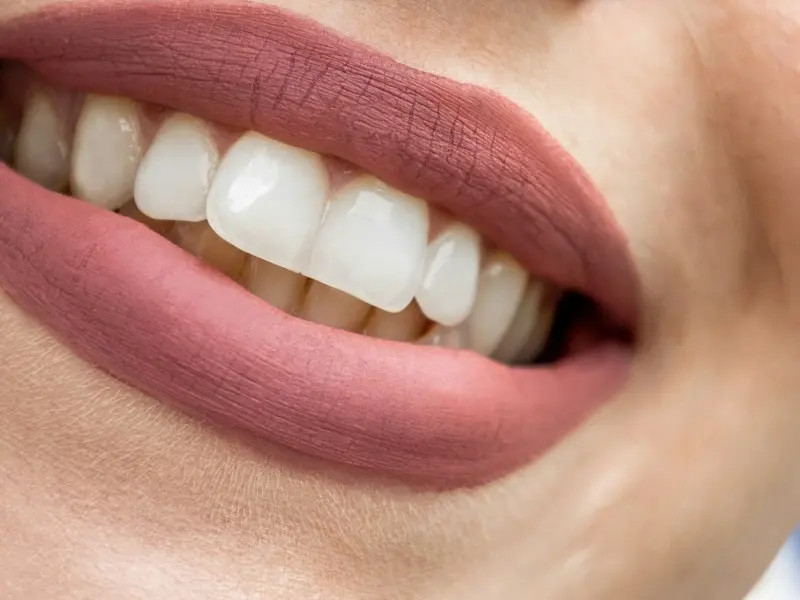
Porcelain veneers are thin, custom-made shells of tooth-colored ceramic that are bonded to the front surfaces of your teeth. They cover stains, chips, small gaps and uneven shapes to change how your smile looks. Placing them usually requires removing a thin layer of enamel, the hard outer layer of the tooth.
Veneers are a cosmetic treatment. They change how your front teeth look, but they do not straighten your bite or repair large areas of damage. For a tooth with a big filling or a deep crack, a dental crown is often the stronger choice. Your dentist will help you sort out which option fits each tooth.
What to expect
Getting veneers usually takes two or three visits over a few weeks.
Consultation and planning. You talk with your dentist about what you would like to change. Your dentist examines your teeth, gums and bite, takes X-rays and photos, and may take impressions or a digital scan to plan the shape of your new teeth. If you want your other teeth lighter, this is the time to discuss teeth whitening, since porcelain does not whiten after it is made. Any cavities or gum problems are treated first.
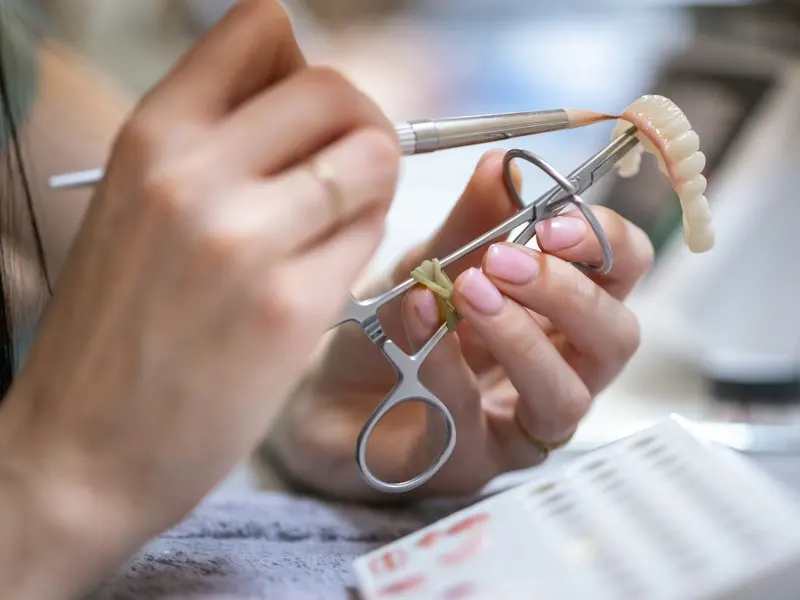
Preparing the teeth. After numbing the area, your dentist removes a thin layer of enamel from the front of each tooth so the veneer sits naturally and does not look bulky. Impressions or a scan are sent to a dental lab, where your veneers are made. You will usually wear temporary veneers in the meantime.
Bonding the veneers. At your next visit, your dentist places each veneer to check its fit, shape and color before anything is final. The tooth surface is cleaned and prepared, the veneer is bonded with a tooth-colored cement, and a special light hardens the cement. Your dentist then checks your bite and polishes the edges.
Your teeth may feel a little sensitive to hot and cold for a few days, and it can take a short time to get used to how your new teeth feel when you bite and speak.
Who it helps
Porcelain veneers are often considered for people with:
- Stained or discolored teeth that whitening has not lightened enough
- Chipped or cracked teeth with small areas of damage on the front surface
- Mildly crooked teeth, small gaps or teeth of uneven size
- Worn or short front teeth
- A smile that is part of a larger smile makeover
Veneers may not be right if you have active decay or gum disease, very little enamel, or a habit of grinding or clenching your teeth. Grinding puts a lot of force on porcelain, so your dentist may recommend a night guard to wear while you sleep. If a cracked tooth hurts when you bite or stays sensitive, call us so your dentist can check it, since a deep crack may need different treatment.
Why choose our office
Veneers change your teeth in a way that cannot be undone, so we take planning seriously. Your dentist explains each step, shows you what is involved, and talks through simpler options like whitening or Invisalign when they might meet your goals. You choose the shade and shape with us, and you will know the timeline and costs before treatment begins. Questions are welcome at every visit.
Coverage varies by plan; our team can check your benefits before treatment and review payment options.
If you are new to our office, visit our new patient page to see what your first visit looks like, or book an appointment to ask about veneers.
What it helps
Conditions we treat with porcelain veneers
Do porcelain veneers damage your teeth?+
Placing veneers usually means removing a thin layer of enamel from the front of each tooth. The amount is small, but enamel does not grow back, so the change cannot be reversed. The tooth underneath stays in place and still needs brushing, flossing and regular checkups.
How long do porcelain veneers last?+
Veneers can last many years with good care, but they are not expected to last indefinitely. They can chip, wear or come loose and may eventually need replacing. Brushing, flossing, regular checkups and a night guard if you grind your teeth all help protect them.
Does getting veneers hurt?+
Most people feel little discomfort. Your dentist usually numbs the area before removing enamel, so most people feel pressure rather than pain. Your teeth may feel a bit sensitive to hot or cold for a few days afterward, which usually fades on its own.
Can veneers fix crooked teeth?+
Veneers can make mildly crooked, uneven or gapped teeth look straighter by changing the shape of their front surfaces. They do not move teeth or correct your bite. If your teeth are more crowded or your bite is off, your dentist may suggest clear aligners first.
Can I whiten porcelain veneers?+
No. Whitening gels do not change the color of porcelain. If you want your other teeth lighter, your dentist will usually suggest whitening before your veneers are made, so the veneer shade can be matched to your newly whitened teeth.
Who is not a good candidate for veneers?+
Veneers may not be the right choice if you have active cavities, gum disease, very thin enamel or a lot of damage to a tooth. Heavy teeth grinding can also crack veneers. Your dentist will tell you whether a crown or another option suits you better.
How do I take care of porcelain veneers?+
Care for veneers the way you care for natural teeth. Brush twice a day with fluoride toothpaste, clean between your teeth daily and keep up with regular checkups. Avoid biting ice, pens or fingernails, and wear a night guard if you grind your teeth.
Are porcelain veneers covered by insurance?+
Veneers placed for cosmetic reasons are often not covered, and coverage varies by plan. Our team can check your benefits before treatment, explain the costs for each step, and review payment options with you so you can plan before you commit.
Explore more
Related services
Patient reviews
What our Waterford Twp patients say
“I have been a client at Dental 1 for many many years and have found them knowledgeable, professional and caring. Also, the staff is awesome”
“The best team ever”
“They did a great job.Thank you”