Services
Tooth Extractions in Waterford Twp
Careful tooth extractions when a tooth can't be saved. Your dentist numbs the area, explains each step and helps you plan healing and replacement.
Dental 1
Tooth Extractions in Waterford Twp
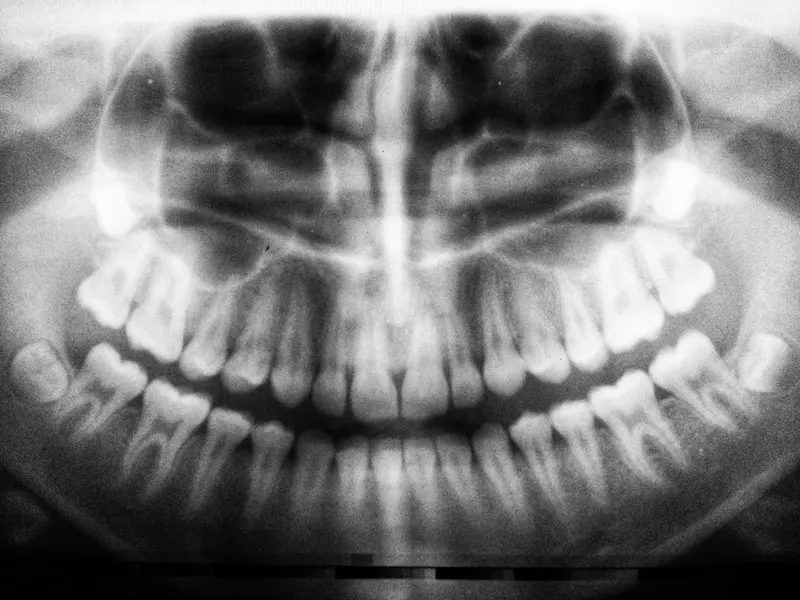
Keeping your natural teeth is usually the goal. Sometimes, though, a tooth is too damaged, infected or crowded to keep, and removing it is the healthiest choice for the rest of your mouth. At our office, a tooth extraction starts with a careful exam and X-rays, a clear explanation of why the tooth should come out, and a talk about your options for the space it leaves. The area is numbed first, and our team walks you through each step so you know what to expect.

How it works
What to expect with tooth extractions
- Step 1
A careful exam first
Your dentist examines the tooth, takes X-rays to see the roots and the bone around them, and reviews your health history and medications, including blood thinners, before recommending an extraction.
- Step 2
Comfort during the visit
The tooth and gum are numbed with a local anesthetic before anything begins. Most people feel pressure rather than sharp pain. If you feel anxious about dental work, ask our team about comfort options.
- Step 3
A plan for healing and the space
You go home with written aftercare steps and a plan for what comes next, whether that is leaving the space as it is, a bridge, a partial denture or a dental implant.
Why patients choose it
Benefits of tooth extractions
Removes a tooth that can't be repaired
Can remove a source of infection or ongoing pain
Local anesthetic numbs the area before treatment
Clear, written aftercare instructions
Helps protect the nearby teeth and gums
A plan for replacing the tooth if you choose to
The basics
About tooth extractions
A tooth may need to come out for several reasons. Deep decay or a crack that runs below the gumline can leave too little healthy tooth to repair. An infection that can't be treated by saving the tooth, advanced gum disease that has loosened it, crowding before orthodontic treatment, and wisdom teeth that are stuck under the gum are other common reasons. Your dentist looks at the tooth, the bone around it and your overall health before recommending removal, and explains any options that might save the tooth.
There are two general types of extraction. A simple extraction removes a tooth that is fully visible above the gum. A surgical extraction is used for a tooth that has broken off at the gumline or has not fully come in, and may involve a small opening in the gum. After the tooth is out, a blood clot forms in the empty socket. That clot protects the bone and nerves underneath while the area heals, which is why the aftercare steps matter so much.

Complimentary Consultation
Free
Meet Dr. Roach or Dr. Gietzen, talk through your smile goals and leave with a clear plan.
For new patients. No sales pitch and no obligation.
What is a tooth extraction?
A tooth extraction is the removal of a tooth from its socket in the jawbone. Dentists recommend it when a tooth is too damaged, infected or crowded to keep healthy. The area is numbed first, and the tooth is gently loosened and lifted out. Most extractions are done in one short visit.
Removing a tooth is usually not the first choice when a tooth can be saved. When an extraction is the right step, the goal is to remove the tooth as gently as possible, protect the bone and gum around it, and help you heal well. Your dentist will also talk with you about whether and how to replace the tooth.
What to expect
Before the extraction. Your visit starts with an exam and X-rays. The X-rays show the shape and length of the roots, the bone around the tooth and how close it sits to nearby nerves or the sinus. Your dentist reviews your health history and medications. Tell us if you take a blood thinner, have a heart condition, have had radiation to the head or neck, or take medicine for bone health, because these can affect how you heal.
During the extraction. Your dentist numbs the tooth and gum with a local anesthetic. For a simple extraction, the tooth is gently rocked to widen the socket and then lifted out. For a surgical extraction, your dentist may make a small opening in the gum or remove the tooth in pieces. You will feel pressure, but most people do not feel sharp pain. If dental work makes you anxious, tell your dentist so they can explain each step as they go.
After the extraction. You bite on gauze to help a blood clot form, and your dentist may place a few stitches. You go home with written aftercare instructions, which often include:
- Take it easy for the rest of the day and keep your head raised when lying down
- Hold a cold pack on your cheek for short periods during the first day
- Eat soft, cool foods and chew on the other side of your mouth
- Avoid straws, smoking, spitting hard and strong rinsing for the first few days
- Use gentle warm saltwater rinses after the first day if your dentist recommends them
- Take pain relievers only as your dentist directs
Some swelling, soreness and light oozing are normal for a few days. Call our office if bleeding won’t slow with pressure, if pain gets worse after a few days, or if you have a fever. If swelling spreads into your face or neck, or you have trouble breathing or swallowing, go to the nearest emergency room or call 911.
Who it helps
An extraction may be recommended for:
- A dental abscess or infection that can’t be treated by saving the tooth
- Impacted wisdom teeth that are stuck under the gum or bone
- A toothache caused by damage too severe to repair
- Cracked teeth where the crack runs below the gumline or into the root
- Teeth loosened by advanced gum disease
- Crowding, when your orthodontist asks for a tooth to be removed to make room
If a tooth can be saved with a filling, a crown or root canal therapy, your dentist will explain those options first. Some complex extractions are referred to an oral surgeon, and your dentist will tell you if that is the better choice for you.
Why choose our office
At our office, an extraction is a planned step, not a rushed one. Your dentist explains why the tooth should come out, shows you what the X-rays show and talks through your options for the space before you decide. You are welcome to ask questions at any point, and our team makes sure you understand your aftercare before you leave.
If you are losing a tooth, we can help you plan what comes next, from a dental bridge to a dental implant. New to our office? Start on our new patients page, or book an appointment when you’re ready.
What it helps
Conditions we treat with tooth extractions
Does a tooth extraction hurt?+
Your dentist numbs the tooth and the gum around it before starting, so most people feel pressure and movement rather than sharp pain. Some soreness is normal for a few days afterward, and your dentist will tell you which pain relievers are safe for you.
Can the tooth be saved instead?+
Often, yes. A filling, crown or root canal can save many damaged teeth. Your dentist will tell you whether your tooth can be repaired and explain the pros and cons of saving it versus removing it, so you can decide together.
How long does it take to heal after an extraction?+
The gum usually begins to close over the socket within one to two weeks, and many people return to their usual routine within a few days. The bone underneath takes longer to fill in. Your dentist will tell you what to expect for your case.
What is dry socket?+
Dry socket happens when the blood clot in the empty socket comes loose or does not form, leaving bone exposed. It usually causes worsening pain a few days after the extraction. Call our office if this happens, because your dentist can clean and soothe the area.
What should I avoid after a tooth is pulled?+
For the first few days, avoid drinking through a straw, spitting hard, smoking, and very hot or crunchy foods, since these can loosen the blood clot. Eat soft foods, chew on the other side and follow the rinse instructions your dentist gives you.
Do I need to replace a tooth after it is removed?+
Not always. Wisdom teeth and teeth removed for orthodontic reasons usually do not need replacing. For other teeth, an empty space can let nearby teeth drift or tilt over time. Your dentist will explain options such as an implant, a bridge or a partial denture.
When should I call after an extraction?+
Call our office if bleeding does not slow after firm pressure on gauze, if pain or swelling gets worse after the third day, or if you have a fever. If swelling spreads or you have trouble breathing or swallowing, go to the emergency room.
Will insurance cover my extraction?+
Coverage varies by plan. Our team can check your benefits before treatment, explain what your plan is likely to cover and go over any costs with you, so you know what to expect. You can also ask us about payment options.
Explore more
Related services
Patient reviews
What our Waterford Twp patients say
“I have been a client at Dental 1 for many many years and have found them knowledgeable, professional and caring. Also, the staff is awesome”
“The best team ever”
“They did a great job.Thank you”