Services
Dental Bone Grafting in Waterford Twp
Dental bone grafting rebuilds jawbone lost after a tooth is removed, so there is enough healthy bone to support a dental implant or help keep your jaw's shape.
Dental 1
Dental Bone Grafting in Waterford Twp
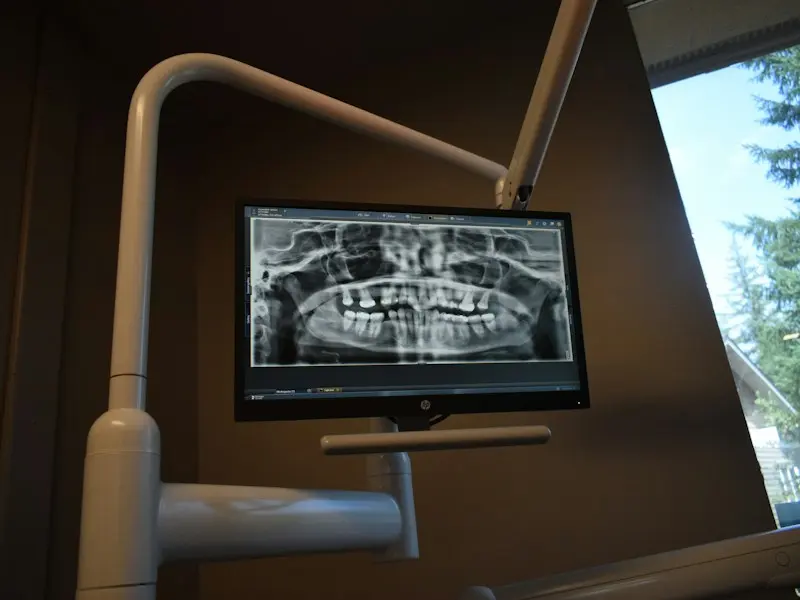
After a tooth is lost or removed, the bone that held it can slowly shrink. That can leave too little bone to hold a dental implant, or change the shape of your gums and jaw. A dental bone graft adds material where bone is missing so your body can rebuild it. At our office, your dentist uses X-rays and a 3D scan to measure your bone, and explains whether a graft is needed and why.
How it works
What to expect with dental bone grafting
- Step 1
Measure the bone
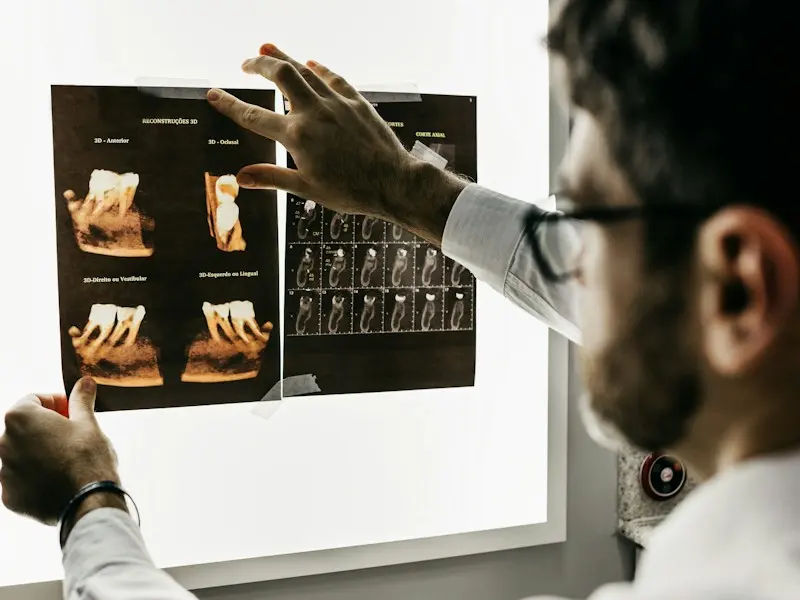
Your dentist takes X-rays and, when needed, a 3D scan to measure the height and width of the bone and plan whether a graft is needed.
- Step 2
Place the graft
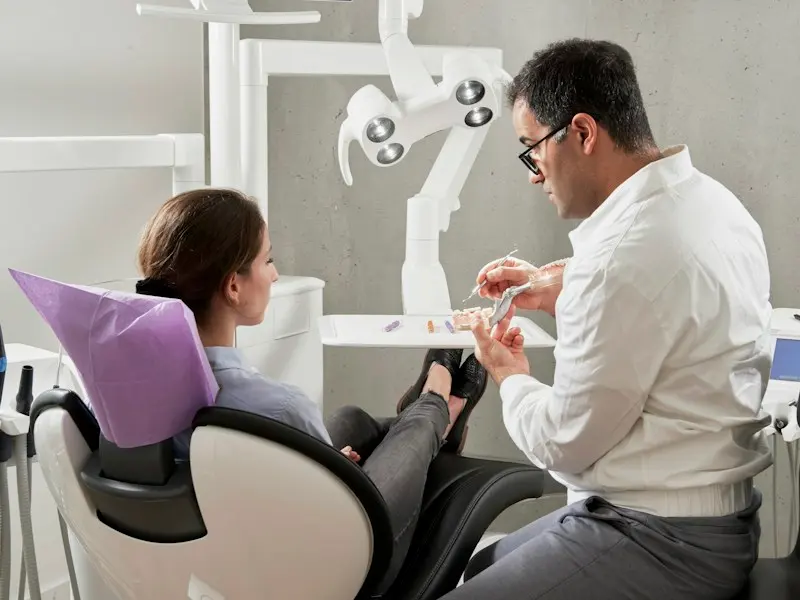
The area is numbed first. Your dentist places the graft material, covers it with the gum and may add a few stitches. Most grafts take about an hour or less.
- Step 3
Heal and check
You go home with aftercare steps. Your dentist checks the healing at follow-up visits and tells you when the new bone is ready for the next step, such as an implant.
Why patients choose it
Benefits of dental bone grafting
Can rebuild bone so a dental implant has support
Can help preserve the bone after a tooth is removed
Can help keep the natural shape of your gums and jaw
Done with local numbing in a dental chair
Planned with X-rays and, when needed, a 3D scan
Healing checked at follow-up visits
The basics
About dental bone grafting
The jawbone around a tooth stays strong partly because the tooth root sits in it. When a tooth is gone, that part of the bone often thins and shrinks over time. Gum disease and infection can also destroy bone around the teeth.
A bone graft places material in the area where bone is missing. The graft acts like a frame that your body slowly fills with its own new bone. Graft material can come from several sources, and your dentist will explain which type fits your case. A graft is often placed right after a tooth is removed, to help preserve the socket, or before or during implant placement. Healing usually takes a few months before an implant can be placed in the new bone.
Complimentary Consultation
Free
Meet Dr. Roach or Dr. Gietzen, talk through your smile goals and leave with a clear plan.
For new patients. No sales pitch and no obligation.
What is a dental bone graft?
A dental bone graft is a procedure that adds material to the jawbone where bone has been lost, so your body can grow new bone there. It is often done after a tooth is removed or before a dental implant. The area is numbed first, and the graft heals under the gum over a few months.
A graft is not needed for everyone. Your dentist measures your bone first and will only recommend a graft when there isn’t enough bone for the treatment you want, or when it can help protect the bone after an extraction.
What to expect
Planning. Your dentist reviews your health history and medications, examines the area and takes X-rays. A 3D scan may be used to see the height and width of the bone and how close it sits to nerves and the sinus. Tell your dentist if you smoke, have diabetes, or take medicine for bone health, because these can affect healing.
The graft. The area is numbed with a local anesthetic. If a tooth is being removed, the graft may be placed in the empty socket at the same visit. For other areas, your dentist makes a small opening in the gum, places the graft material and covers it. A few stitches may be placed. Some cases also use a thin covering, called a membrane, to protect the graft while it heals.
Healing. Some swelling and soreness are normal for a few days. Eat soft foods, chew on the other side and follow your aftercare steps. Your dentist will check the graft at follow-up visits. Once the new bone is ready, often after a few months, your dentist can move on to the next step, such as a dental implant.
Some larger grafts, such as sinus lifts in the upper jaw, may be referred to an oral surgeon or periodontist. Your dentist will tell you if that is the better choice for you.
Who it helps
A bone graft may help if you:
- Have missing teeth and want to replace them with implants, but don’t have enough bone
- Are having a tooth removed and want to protect the bone for a future implant
- Have lost bone around the teeth from gum disease
- Have a denture that has become loose as the bone has shrunk
If you are planning to replace a missing tooth, our pages on dental implants, dentures and oral surgery explain your options.
Why choose our office
Our dentists measure your bone carefully and only recommend a graft when it will help. You will see what your scan shows, understand why a graft is or isn’t needed, and know the timeline from graft to finished tooth before you decide. Questions are always welcome.
New to our office? Start with our new patient information, or book an appointment to talk about replacing a missing tooth.
What it helps
Conditions we treat with dental bone grafting
Why would I need a bone graft?+
You may need a graft if there isn't enough healthy bone to hold a dental implant, often because a tooth has been missing for a while or gum disease damaged the bone. A graft can also help preserve the bone right after a tooth is removed.
Does a bone graft hurt?+
The area is numbed before the graft is placed, so most people feel pressure rather than pain. Some soreness and swelling for a few days afterward is normal. Your dentist will tell you which pain relievers are safe for you to take.
How long does a bone graft take to heal?+
The gum usually heals in one to two weeks. The new bone takes longer to form, often a few months, before an implant can be placed. Your dentist will give you a timeline for your case and check your healing along the way.
Where does the graft material come from?+
Graft material can come from several sources, including processed donor bone, animal bone or man-made material. These are prepared and tested for safety. Your dentist will explain which material they recommend for you and why.
Can I get an implant without a bone graft?+
Often, yes. Many people have enough bone for an implant without a graft. Your dentist measures your bone with X-rays and a 3D scan and will tell you whether a graft is needed before your implant.
What should I avoid after a bone graft?+
For the first few days, avoid chewing on the graft side, drinking through a straw, smoking, spitting hard and very hot foods. Smoking can slow bone healing. Follow the written aftercare steps your dentist gives you, and keep your follow-up visits.
Explore more
Related services
Patient reviews
What our Waterford Twp patients say
“I have been a client at Dental 1 for many many years and have found them knowledgeable, professional and caring. Also, the staff is awesome”
“The best team ever”
“They did a great job.Thank you”