Services
Children's Dentistry in Waterford Twp
Gentle dental care for kids, from the first tooth through the teen years, with checkups, cleanings, fluoride and sealants in a calm, friendly setting.
Dental 1
Children's Dentistry in Waterford Twp
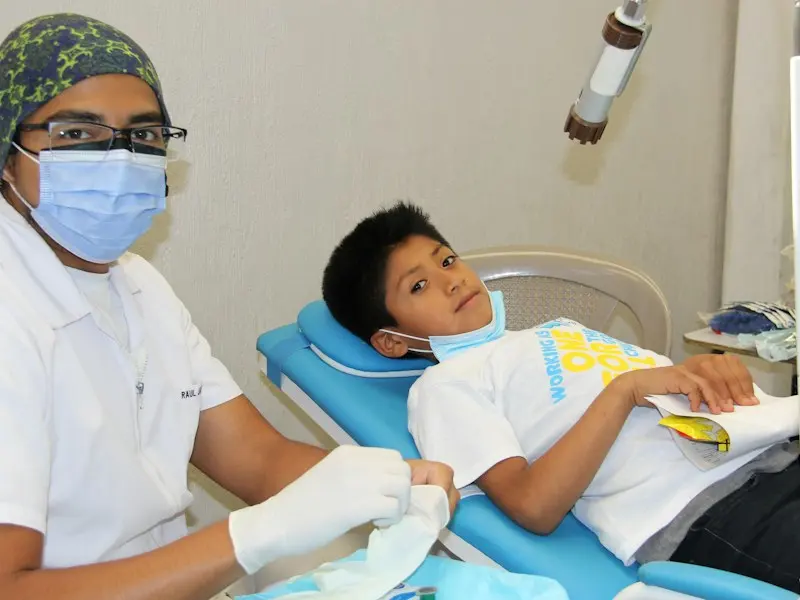
Healthy habits that start early can help protect your child's smile as they grow. At our office, we offer gentle dental care for kids, from a baby's first checkup through the teen years. Visits are calm and positive, with simple explanations and plenty of encouragement. We also help parents with practical advice on brushing, snacks, thumb-sucking and sports safety, so good care continues at home between visits and your child grows up seeing the dentist as a friendly place.
How it works
What to expect with children's dentistry
- Step 1
A gentle, unhurried start
Your child can meet the team, sit in the chair and see the tools before anything happens. We explain each step in simple words and move at a pace that feels comfortable for your child.
- Step 2
Prevention at every visit
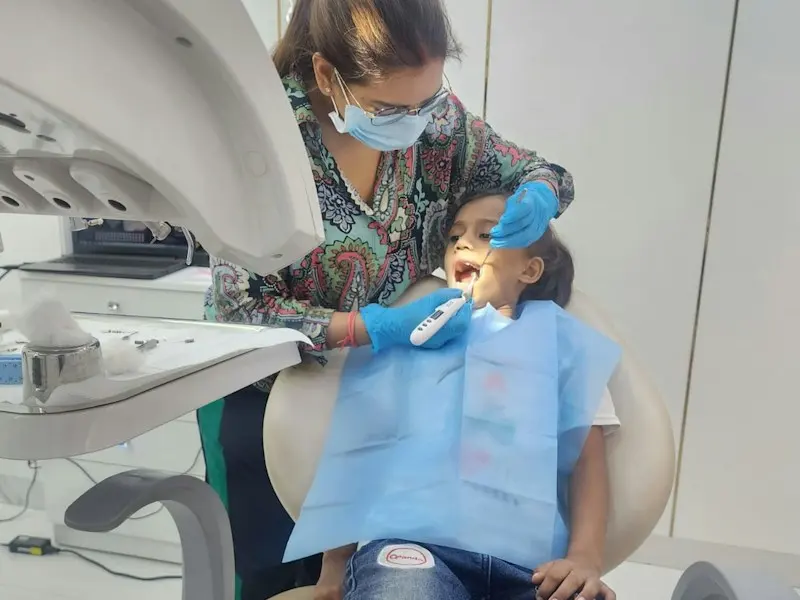
Checkups include a gentle cleaning, an exam for cavities and bite development and, when helpful, fluoride varnish or sealants on the back teeth to help protect them from decay.
- Step 3
Guidance for parents
We share practical tips on brushing, flossing, snacks and drinks, and habits such as thumb-sucking, so you know what to watch for between visits and when to call us.
Why patients choose it
Benefits of children's dentistry
Gentle dental care for kids, from the first tooth on
Early checks for cavities and bite development
Fluoride varnish and sealants to help prevent decay
Kid-friendly explanations at every step
Practical home-care tips for parents
Mouth guard advice for kids who play sports
The basics
About children's dentistry
Baby teeth matter more than many people think. They help children chew, speak clearly and smile with confidence, and they hold space for the adult teeth growing underneath. Cavities in baby teeth can cause pain and infection, and they can affect the adult teeth that follow. Tooth decay is one of the most common chronic conditions of childhood, yet much of it can be prevented with good daily habits and regular dental visits. Simple steps, like brushing with fluoride toothpaste and limiting sugary drinks, go a long way.
Dental groups, including the American Dental Association, recommend a first dental visit when the first tooth appears and no later than a child's first birthday. Early visits let your dentist check how teeth are coming in, spot early signs of decay and help you with brushing, fluoride and feeding habits. Starting early also helps children get used to the dental office long before they might need a filling.
Complimentary Consultation
Free
Meet Dr. Roach or Dr. Gietzen, talk through your smile goals and leave with a clear plan.
For new patients. No sales pitch and no obligation.
What is children’s dentistry?
Children’s dentistry is gentle dental care for kids, from the first baby tooth through the teen years. It focuses on preventing cavities, checking how the teeth and jaws are growing, treating problems early and teaching good habits, all in a calm way that helps children feel comfortable at the dentist.
Kids aren’t just small adults. Their teeth, habits and comfort levels change quickly as they grow, so each visit is shaped around your child’s age and stage. Our goal is for your child to leave each appointment feeling proud, not scared.
What to expect
Your child’s first visit. For babies and toddlers, the first visit is often short. Your child may sit on your lap while your dentist gently checks the teeth and gums, looks for early signs of decay and talks with you about brushing, teething, bottles and snacks.
Growing smiles. Many babies get their first tooth around 6 months of age, and most children start losing baby teeth around age 6. At each visit, your dentist checks how teeth are coming in and falling out and watches how the bite is developing, so problems can be spotted early.
Regular checkups. As your child grows, visits usually include a gentle cleaning, an exam and, when needed, X-rays to look between the teeth and check on the adult teeth coming in. Your dentist may recommend:
- Fluoride varnish, a quick paint-on coating that helps strengthen enamel (the hard outer layer of the tooth)
- Sealants, thin protective coatings on the grooves of the back teeth
- Tooth-colored fillings if a cavity is found
- A sports mouth guard for kids who play contact sports
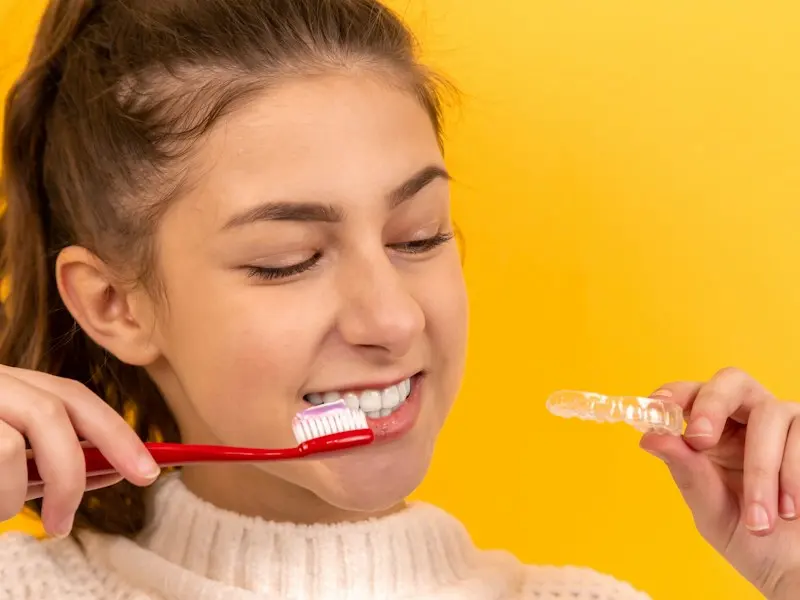
Care at home. The American Dental Association recommends brushing twice a day for two minutes with fluoride toothpaste. Use a rice-grain smear for children under 3 and a pea-sized amount for ages 3 to 6. Help with brushing until your child can do a thorough job alone, and start flossing once two teeth touch. Limit sugary drinks and snacks between meals, and don’t put a baby to bed with a bottle of milk or juice.
The teen years. Teens face new challenges, such as braces that trap food, sports injuries, sugary or acidic drinks and wisdom teeth starting to form. Your dentist talks with your teen directly about habits that affect the mouth, including tobacco, vaping and mouth piercings, and keeps an eye on wisdom teeth with X-rays when needed.
If more care is needed. Some children need treatment that is better handled in another setting or by a specialist. If that is the case for your child, your dentist will explain why and help you with the referral.
Who it helps
Gentle dental care for kids can help with:
- Preventing and treating cavities in baby teeth and adult teeth
- A toothache or sensitivity your child complains about
- A knocked-out tooth or a chipped tooth from a fall or sports
- Teeth grinding at night, which is fairly common in young children
- Early signs of crooked teeth or bite problems
- Thumb-sucking and pacifier habits that continue as adult teeth come in
If your child has a dental injury, see our emergency dentistry page for first-aid steps.
Why choose our office
At our office, we see children and their parents as a team. Your dentist explains what they see in simple words for your child and in more detail for you, and nothing is done without explaining it first. We take our time with nervous children, and parents are welcome to ask questions at any point.
Ready for your child’s first visit, or a fresh start with a new dental home? Learn how to get started on our new patients page, or book an appointment when you’re ready.
What it helps
Conditions we treat with children's dentistry
When should my child first see a dentist?+
Plan the first visit when the first tooth appears and no later than your child's first birthday. Early visits are short and simple. Your dentist checks the teeth and gums, looks for early signs of decay and shows you how to care for your baby's teeth.
How much toothpaste should my child use?+
For children under 3, use a smear of fluoride toothpaste about the size of a grain of rice. From ages 3 to 6, use a pea-sized amount. Help your child brush twice a day and teach them to spit out the toothpaste rather than swallow it.
Are baby teeth really that important?+
Yes. Baby teeth help children chew, speak and smile, and they save space for the adult teeth. A cavity in a baby tooth can cause pain or infection and may affect the adult tooth underneath, so it is worth treating even though the tooth will fall out.
What are dental sealants?+
Sealants are thin, tooth-colored coatings painted onto the chewing surfaces of the back teeth, where deep grooves can trap food and germs. Placing them is quick and usually needs no numbing or drilling. Sealants help protect against cavities, but brushing and checkups still matter.
Is fluoride safe for children?+
Fluoride used as directed is considered safe and helps strengthen tooth enamel against decay. Your dentist may apply fluoride varnish, a quick paint-on coating, at checkups. Using the right amount of toothpaste and teaching children to spit it out helps them avoid swallowing too much.
Is thumb-sucking a problem?+
Thumb- and pacifier-sucking are normal for babies and toddlers, and many children stop on their own. If the habit continues as adult teeth start to come in, it can affect how the teeth and jaws line up. Your dentist will watch your child's bite and suggest gentle ways to help.
What if my child is nervous about the dentist?+
That is common. We take time to explain each step, let your child see the tools first and use calm, positive words. At home, talk about the visit simply and avoid scary words like hurt or shot. Ask our team about comfort options if your child needs extra support.
What should I do if my child's tooth is knocked out?+
If it is a baby tooth, don't put it back. Press clean gauze on the area and call us. For an adult tooth, hold it by the chewing end, rinse it briefly, place it back in the socket or keep it in milk, and call right away.
Explore more
Related services
Patient reviews
What our Waterford Twp patients say
“I have been a client at Dental 1 for many many years and have found them knowledgeable, professional and caring. Also, the staff is awesome”
“The best team ever”
“They did a great job.Thank you”