Conditions
Crooked Teeth Treatment in Waterford Twp
Crowded, gapped or crooked teeth can be harder to clean and may affect your bite. Learn the common causes and how clear aligners or veneers may help.
Dental care for crooked teeth
Get to the root of your crooked teeth
Also known as: Misaligned Teeth, Crowded Teeth, Malocclusion, Gapped Teeth
Crooked, crowded or gapped teeth are very common, and they are not only a cosmetic concern. Teeth that overlap can be harder to brush and floss, and a bite that does not line up can put uneven pressure on some teeth. Many adults also notice their teeth shifting over the years. Your dentist can look at your teeth and bite, explain what is going on, and talk with you about options, from clear aligners to cosmetic treatments that change how your smile looks.
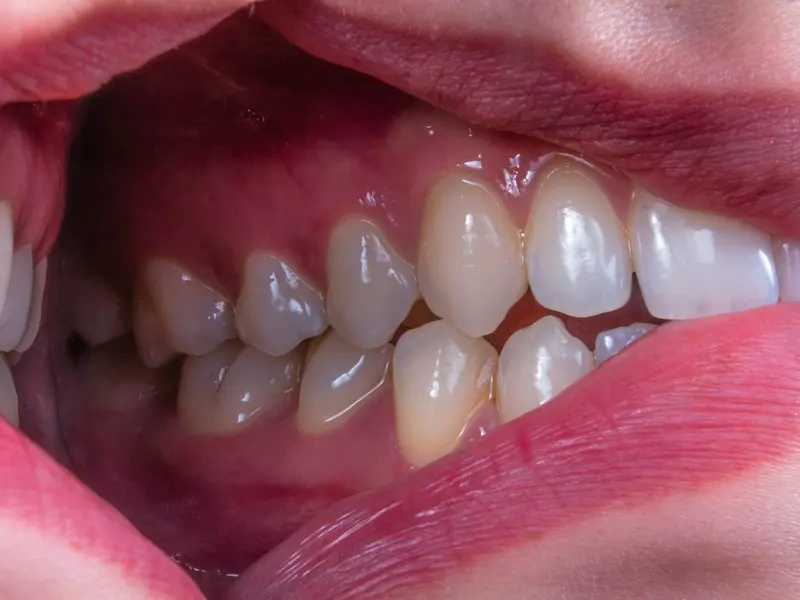
Symptoms of crooked teeth
- ✓Teeth that overlap, twist or sit in front of or behind the others
- ✓Crowding, where there is not enough room for teeth to line up
- ✓Gaps or spaces between teeth
- ✓Upper and lower teeth that do not meet evenly when you bite
- ✓Spots where food often gets stuck or floss is hard to use
- ✓Feeling self-conscious about how your teeth look when you smile
Common causes
- Genetics, such as jaw size and tooth size that run in families
- Baby teeth lost too early or too late
- Childhood habits such as long-term thumb sucking or pacifier use
- Missing teeth, which can let nearby teeth drift or tilt
- Teeth shifting slowly with age, or after braces when retainers are not worn
- An injury to the mouth or jaw
Our approach
How we treat crooked teeth in Waterford Twp
- Step 1
Look at your teeth and bite
We check how your teeth line up, how your upper and lower teeth meet, and whether crowded areas are trapping plaque, irritating your gums or showing extra wear.
- Step 2
Explain your options
Your dentist walks you through what could help, such as clear aligners or veneers, how long each option usually takes, and the trade-offs, so you can choose with clear expectations.
- Step 3
Refer when it fits
If your bite or jaw needs care beyond what a general dentist provides, we refer you to an orthodontist and keep caring for your teeth and gums along the way.
The basics
Understanding crooked teeth
Dentists use the word malocclusion for teeth or jaws that do not line up the way they ideally would. This includes crowding (not enough room), spacing (gaps), teeth that are rotated or tipped, and bite problems such as an overbite, underbite, open bite or crossbite. Some people tend toward crooked teeth because of the size of their jaws and teeth. Others notice changes later, after losing a tooth, after braces when a retainer is no longer worn, or simply as teeth shift slowly with age.
Mildly crooked teeth may not need treatment at all if they are healthy and easy to clean. Straightening is often worth considering when crowding traps plaque and food, when your bite causes uneven wear, or when you would like to feel more confident about your smile. Options range from clear aligners that move teeth gradually to porcelain veneers that change how teeth look without moving them. More complex bite or jaw problems are often referred to an orthodontist, a dentist who specializes in straightening teeth and aligning jaws.
Complimentary Consultation
Free
Meet Dr. Roach or Dr. Gietzen, talk through your smile goals and leave with a clear plan.
For new patients. No sales pitch and no obligation.
What are Crooked Teeth?
Crooked teeth are teeth that are crowded, overlapping, twisted, gapped or out of line. Dentists call this malocclusion when the teeth or jaws do not meet the way they ideally should. It is very common, and it can affect how your teeth look, how easy they are to clean and how you bite.
Some people have had crooked teeth since childhood. Others notice changes as adults, when teeth slowly shift or crowd together. Either way, it helps to know your options, even if you decide that no treatment is needed right now.
Common signs
Crooked teeth can show up in different ways. Common signs include:
- Teeth that overlap, twist, or tip forward or back
- Crowding, especially in the lower front teeth
- Gaps between teeth
- An overbite (upper front teeth that overlap the lower ones too much) or an underbite (lower front teeth that sit in front of the upper ones)
- A crossbite (some upper teeth sit inside the lower teeth when you bite) or an open bite (front teeth that do not touch when you close)
- Spots where food catches or floss shreds
- Uneven wear on certain teeth, or a few teeth that take most of the force when you bite
When to see a dentist
You can bring up crooked teeth at any regular checkup. It is worth scheduling a visit sooner if:
- Your teeth seem to be shifting, or new gaps or crowding appear
- A tooth starts to feel loose, which can be a sign of gum disease and needs prompt attention
- Food keeps getting trapped in the same spot, or your gums bleed there when you brush or floss
- Your bite feels different, or you notice jaw pain or clicking
- You feel self-conscious about your smile and want to know your options
Crowded areas are harder to clean, so regular cleanings and exams matter even more. They help catch cavities and gum problems early in places your toothbrush has trouble reaching.
For children, an orthodontic check around age 7 is commonly recommended, because some bite problems are easier to guide while the jaw is still growing. Your dentist can tell you whether your child would benefit from an early look.
If a tooth is suddenly pushed out of position or knocked loose after a fall or a blow to the mouth, call a dentist right away. See our page on a knocked-out tooth for what to do in the meantime.
How we can help
Your visit starts with an exam of your teeth, gums and bite. Your dentist looks at how your teeth line up, how they meet when you close, and whether crowded areas show signs of plaque buildup, gum irritation or uneven wear. X-rays may be recommended to check the roots and bone, especially before any teeth are moved.
Then we talk about what you want, whether that is a smile that is easier to keep clean, a more even bite, or teeth you simply feel good about. Depending on your goals and your exam, options may include:
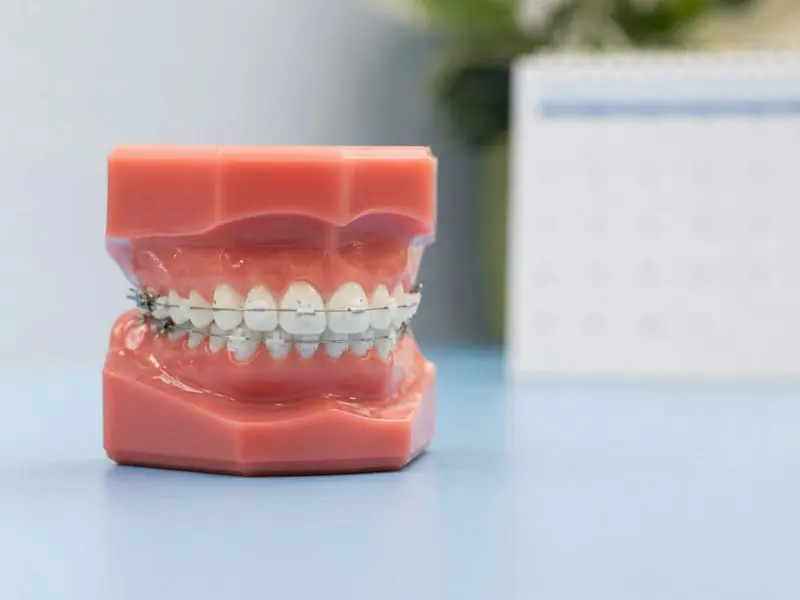
- Clear aligners, a series of clear, removable trays that gradually move teeth into better alignment
- Porcelain veneers, thin custom shells bonded to the front of teeth to change their shape and look when only minor crowding or gaps are involved
- Smile makeovers, a planned combination of treatments for people who want to improve several things at once, such as alignment, color and shape
Every option has trade-offs in time, cost and upkeep, and we explain them before you decide. Coverage varies by plan, and our team can check your benefits before treatment. If your bite or jaw needs specialist care, we will refer you to an orthodontist and keep caring for your teeth and gums along the way.
Curious about your options? Visit our new patients page to see what your first visit looks like, or book an appointment when you are ready.
Treatment options
Treatments we use for crooked teeth
Porcelain Veneers
Porcelain veneers are thin, custom shells bonded to the front of teeth to cover stains, chips, gaps and uneven shapes. See the steps and what to expect.
Learn more →Clear Aligners
Clear aligners are removable, custom plastic trays that gradually straighten teeth. See who they suit, how treatment works and what daily wear involves.
Learn more →Smile Makeovers
A smile makeover combines treatments like whitening, veneers, Invisalign, crowns and tooth replacement into one plan built around your goals and health.
Learn more →Cosmetic Dentistry
Cosmetic dentistry options to brighten, straighten and reshape your smile, from whitening and veneers to clear aligners, planned around healthy teeth and gums.
Learn more →Related conditions
Other conditions we treat in Waterford Twp
Patient reviews
What our Waterford Twp patients say
“I have been a client at Dental 1 for many many years and have found them knowledgeable, professional and caring. Also, the staff is awesome”
“The best team ever”
“They did a great job.Thank you”
Do crooked teeth cause problems?+
Not always. Mildly crooked teeth that are easy to clean may never cause trouble. Crowded or overlapping teeth can trap plaque, which raises the risk of cavities and gum disease, and some bite problems cause uneven wear. Your dentist can tell you whether yours are worth treating.
Am I too old to straighten my teeth?+
Many adults straighten their teeth. Teeth can move at any age as long as the gums and the bone that supports them are healthy. Your dentist checks your gum health first, because gum disease should be treated before any teeth are moved.
How do clear aligners work?+
Clear aligners are a series of thin, removable plastic trays made to fit your teeth. Each set applies gentle pressure to move teeth a small amount, and you switch to the next set on a schedule. Most people wear them for most of the day and night.
Can veneers fix crooked teeth?+
Porcelain veneers do not move teeth, but they can change how mildly crooked, chipped or gapped front teeth look. They usually require removing a thin layer of enamel, so they are not reversible. Your dentist will explain whether straightening or veneers better suits your goals.
Why are my teeth getting more crooked as I get older?+
Teeth naturally shift a little over time, and crowding of the lower front teeth often increases with age. Losing a tooth, gum disease, grinding, or not wearing a retainer after braces can also let teeth move. Your dentist can track changes at your regular checkups.
Do I need an orthodontist, or can a general dentist help?+
Many mild to moderate cases of crowding or spacing can be treated by a general dentist with clear aligners. Complex bite problems, jaw alignment issues and some cases in children are often referred to an orthodontist. Your dentist will tell you which route fits your case.
Will I need a retainer after straightening?+
In most cases, yes. Teeth tend to drift back toward their old positions after they are moved, so a retainer helps hold them in place. Your dentist will explain how often to wear your retainer and how to keep it clean.
Does insurance cover clear aligners?+
Coverage varies by plan. Some plans include an orthodontic benefit that may apply to clear aligners, while others do not. Our team can check your benefits before treatment, go over any costs with you, and explain the payment options our office offers.