Conditions
Gum Disease Treatment in Waterford Twp
Learn the signs of gum disease, from gingivitis to periodontitis, what causes it, and how our dental team checks, treats and helps you manage it.
Dental care for gum disease
Get to the root of your gum disease
Also known as: Periodontal Disease, Gingivitis, Periodontitis, Gum Infection
Gum disease often starts quietly. Your gums might bleed a little when you brush or look a bit puffy, but there's usually no pain at first. Left alone, it can slowly damage the gums and bone that hold your teeth in place. Our team checks your gums at every exam, explains what we see in plain language, and helps you choose care that fits the stage of gum disease you have.
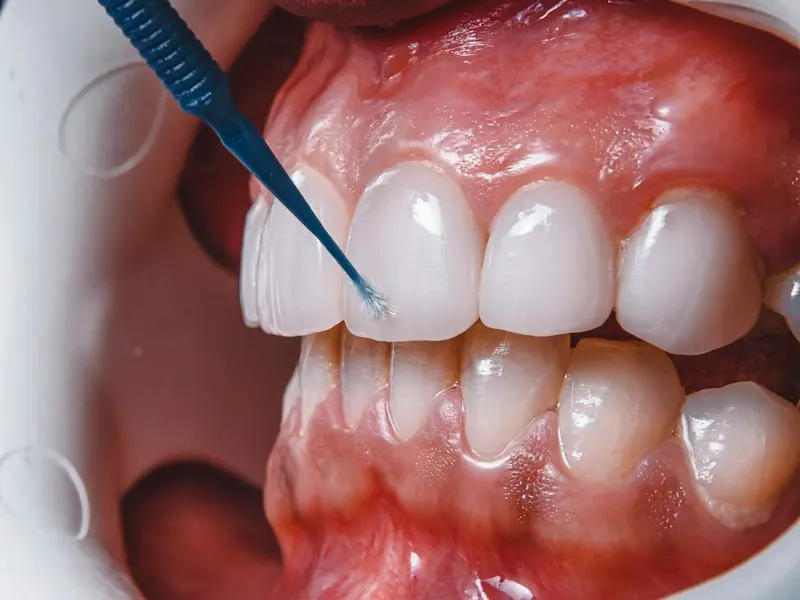
Symptoms of gum disease
- ✓Red, swollen or tender gums
- ✓Gums that bleed when you brush or floss
- ✓Bad breath or a bad taste that keeps coming back
- ✓Gums that pull back from your teeth, making teeth look longer
- ✓Loose teeth, or teeth that fit together differently when you bite
- ✓Pus between your teeth and gums
Common causes
- Plaque and tartar building up along the gumline
- Brushing and flossing that miss areas along the gums
- Smoking or other tobacco use
- Diabetes, especially when blood sugar is hard to control
- Hormone changes, such as during pregnancy
- Medicines that dry the mouth or affect the gums

Our approach
How we treat gum disease in Waterford Twp
- Step 1
A careful gum check
Your dentist or hygienist gently measures the space between each tooth and the gum, looks for bleeding and recession, and may take X-rays to check the bone around your teeth.
- Step 2
A clear explanation
We show you what we found, explain which stage of gum disease you have, and walk through your options and costs before any treatment starts.
- Step 3
Care that fits your gums
Depending on your needs, that may be a professional cleaning, a deep cleaning called scaling and root planing, more frequent maintenance visits, or a referral to a periodontist (a gum specialist).
The basics
Understanding gum disease
Your mouth is full of bacteria. When they collect along the gumline, they form plaque, a soft, sticky film. If plaque isn't removed by brushing and cleaning between your teeth, it hardens into tartar (also called calculus), which only a dental professional can remove. The bacteria irritate the gums and cause gingivitis, the early stage of gum disease. Gingivitis can often be reversed with a professional cleaning and good daily care at home.
If gingivitis isn't treated, it can progress to periodontitis. In this stage, the gums pull away from the teeth and form pockets where bacteria collect. Over time, the infection can break down the bone and tissue that support your teeth, and teeth may loosen. Periodontitis can't be fully reversed, but in many cases it can be controlled with deep cleanings and regular follow-up care. The earlier it is found, the more options you usually have.
Complimentary Consultation
Free
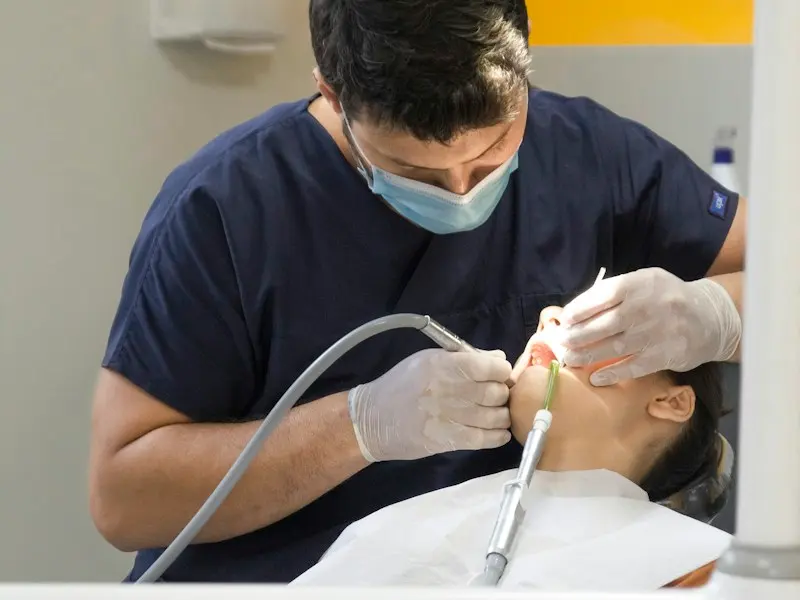
Meet Dr. Roach or Dr. Gietzen, talk through your smile goals and leave with a clear plan.
For new patients. No sales pitch and no obligation.
What is gum disease?
Gum disease, or periodontal disease, is an infection of the gums and the tissues that hold your teeth in place. It is caused mainly by plaque, a sticky film of bacteria, along the gumline. It starts as gingivitis, which affects only the gums, and can progress to periodontitis, which can damage the bone around your teeth.
Gum disease is common in adults, and it often develops without pain. That is why your dentist checks your gums at every exam, even when everything feels fine.
Common signs
Early gum disease can be easy to miss. Watch for:
- Gums that bleed when you brush or floss
- Gums that look red, swollen or puffy instead of pink and firm
- Gums that feel tender or sore
- Bad breath or a bad taste that doesn’t go away
- Gums that have pulled back from your teeth, which is called recession
- Teeth that feel loose, have shifted, or fit together differently when you bite
- Pus between your teeth and gums
Some people notice no signs at all until the disease is more advanced. Healthy gums usually don’t bleed with normal brushing, so bleeding is always worth mentioning to your dentist.
When to see a dentist
Book a visit if your gums bleed for more than a week or two, look red or swollen, or have started to pull back from your teeth. You should also come in if a tooth feels loose or your bite feels different. These signs don’t always mean gum disease, but they are worth checking.
Call us promptly if you notice a swollen, painful bump on your gum or pus around a tooth. That can be a gum abscess, an infection that needs treatment. Learn more on our dental abscess page.
Get emergency care right away if you have facial swelling that is spreading, a fever along with gum or tooth pain, or any trouble breathing or swallowing.
Some health conditions and habits raise your risk, including diabetes, pregnancy, smoking and medicines that cause dry mouth. If any of these apply to you, regular checkups matter even more. If you are pregnant, let your dentist know, since hormone changes can make your gums more sensitive to plaque.
How we can help
Treatment depends on how far gum disease has progressed. Your dentist will explain what they see and what they recommend before anything begins, and you are always welcome to ask questions.
- Gingivitis. A professional dental cleaning removes plaque and tartar. Your hygienist will also show you brushing and flossing tips for the areas that need extra attention. In many cases, gums look and feel healthier within a few weeks.
- Periodontitis. Treatment often starts with scaling and root planing, a deep cleaning below the gumline. Afterward, many people need maintenance visits more often than twice a year to help keep the infection under control.
- Ongoing care. Regular exams through general dentistry help you and your dentist track your gums over time and catch changes early.
- Advanced damage. If gum disease has already led to loose or missing teeth, your dentist can talk with you about options such as dental implants, bridges or dentures. Some advanced cases are referred to a periodontist, a dentist who specializes in the gums.
At home, the ADA recommends brushing twice a day for two minutes with a fluoride toothpaste and cleaning between your teeth once a day. Not smoking and keeping conditions like diabetes under control can also help your gums.
If your gums have been bleeding or feel different, you don’t need to wait for your next checkup. New to our office? Start on our new patients page, or book an appointment when you’re ready.
Treatment options
Treatments we use for gum disease
General Dentistry
Checkups, cleanings, fillings and everyday care for your teeth and gums, with clear explanations and a plan built around your needs and goals.
Learn more →Dental Cleanings & Exams
Professional cleanings and exams remove plaque and tartar, check your teeth and gums, and help find problems early, when care is often simpler.
Learn more →Full-Mouth Reconstruction
Full-mouth reconstruction rebuilds many worn, broken or missing teeth with a phased plan that combines treatments to restore how your teeth work and look.
Learn more →Laser Dentistry
Laser dentistry uses a focused beam of light for some gum and tooth procedures. Your dentist explains whether a laser is a good option for your treatment.
Learn more →Related conditions
Other conditions we treat in Waterford Twp
Patient reviews
What our Waterford Twp patients say
“I have been a client at Dental 1 for many many years and have found them knowledgeable, professional and caring. Also, the staff is awesome”
“The best team ever”
“They did a great job.Thank you”
Can gum disease be reversed?+
Gingivitis, the early stage, can often be reversed with a professional cleaning and steady care at home. Periodontitis, the advanced stage, can't be fully undone, but in many cases it can be controlled so it stops getting worse. Your dentist will explain which stage you have.
Does gum disease hurt?+
Often it doesn't, especially early on. Many people only notice gums that bleed when they brush or floss, or gums that look red and puffy. Because it can progress without pain, regular dental exams are an important way to catch it early.
What is a deep cleaning?+
A deep cleaning, also called scaling and root planing, removes plaque and tartar from below the gumline and smooths the root surfaces so the gums can heal against them. It is often done in sections, and your dentist may numb the area to keep you comfortable.
Can gum disease cause tooth loss?+
Yes, it can. Advanced gum disease damages the bone and tissue that hold teeth in place, so teeth can loosen or need to be removed over time. Finding and treating gum disease early gives you more options for keeping your natural teeth.
Is gum disease linked to other health problems?+
Research has found links between gum disease and other conditions, including diabetes and heart disease. Diabetes can make gum infections harder to control, and gum disease may make blood sugar harder to manage. Let your dentist know about your health conditions and the medicines you take.
How often do I need cleanings if I have gum disease?+
It depends on your gums. After treatment for periodontitis, many people need maintenance cleanings more often than twice a year, sometimes every three or four months. Your dentist will suggest a schedule based on how your gums respond over time.
Does insurance cover gum disease treatment?+
Coverage varies by plan. Our team can check your benefits before treatment, explain what your plan is likely to cover, and go over your payment options, so you know what to expect before you decide on care.