Conditions
Chipped & Cracked Teeth Treatment in Waterford Twp
Care for chipped, cracked and broken teeth. Your dentist checks how deep the damage goes and explains options such as a filling, a crown or a root canal.
Dental care for chipped & cracked teeth
Get to the root of your chipped & cracked teeth
Also known as: Chipped Tooth, Cracked Tooth, Broken Tooth, Fractured Tooth, Cracked Tooth Syndrome
A chipped or cracked tooth can happen in an instant, from a bite of something hard or a bump to the mouth. Sometimes the damage is easy to see. Other times, a crack is so small that you only notice it as a sharp pain when you chew. Either way, a damaged tooth deserves a prompt look. Our team checks how far the damage goes, explains your options clearly, and helps you protect the tooth before a small problem becomes a bigger one.
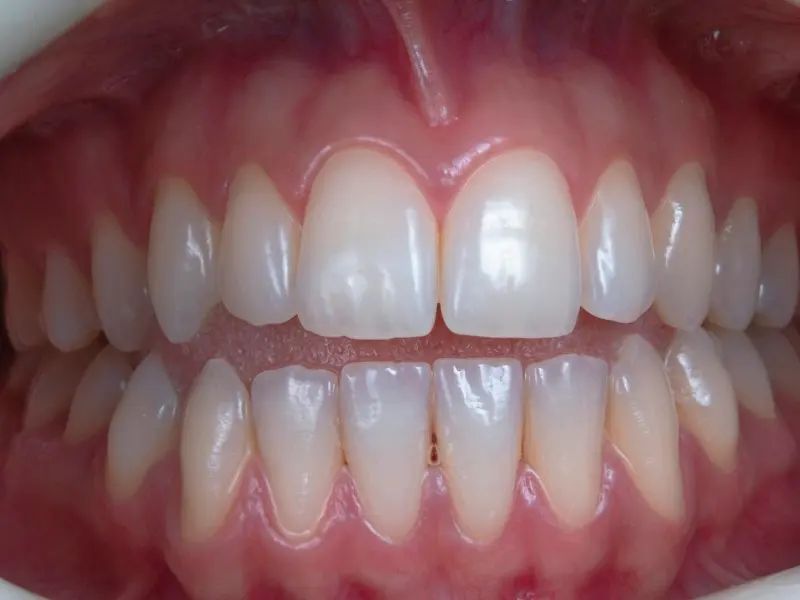
Symptoms of chipped & cracked teeth
- ✓A sharp or jagged edge you can feel with your tongue
- ✓A piece of tooth that has broken off
- ✓Sharp pain when you bite down, or when you release your bite
- ✓Pain that comes and goes rather than staying constant
- ✓Sensitivity to hot, cold or sweet foods
- ✓Swelling of the gum around one tooth
Common causes
- Biting down on something hard, such as ice, hard candy, popcorn kernels or a pen
- Grinding or clenching your teeth, often during sleep
- Large or older fillings that leave the rest of the tooth weaker
- A blow to the mouth from a fall, a sport or an accident
- Sudden temperature changes, such as hot food followed by ice water
- Wear and tear on teeth from many years of chewing

Our approach
How we treat chipped & cracked teeth in Waterford Twp
- Step 1
Assess the damage
We examine the tooth, test how it responds to biting and temperature, and take X-rays to check the root and the bone around it. This helps show how deep the chip or crack goes.
- Step 2
Talk through options
Your dentist explains what we found and which repairs fit, from smoothing a small chip to a filling, a crown or root canal therapy. You will know what to expect before treatment starts.
- Step 3
Protect the tooth
We repair the tooth to help restore its shape and strength, then talk about habits that protect your teeth and, if you grind, whether a night guard makes sense.
The basics
Understanding chipped & cracked teeth
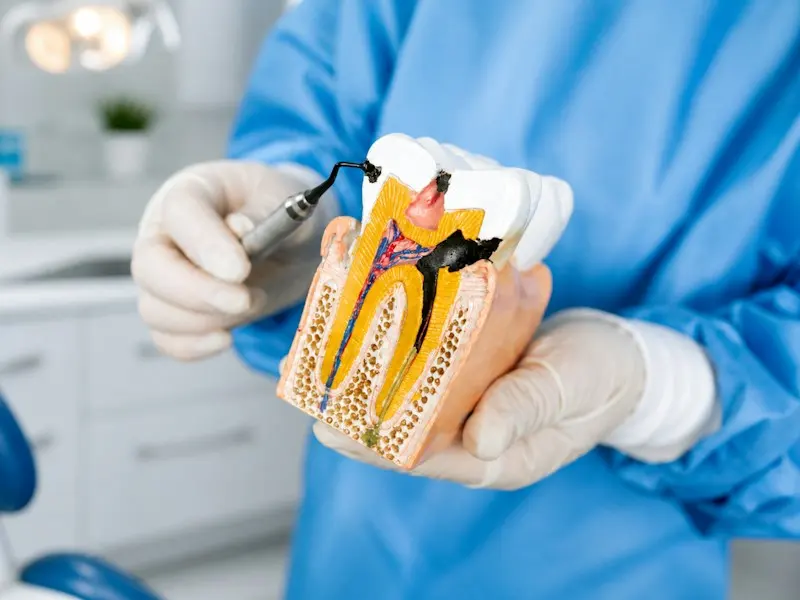
Teeth are strong, but they can still break. A chip is a small piece of enamel, the tooth's hard outer layer, that breaks away. A crack is a break line that runs into the tooth. Some cracks stay in the enamel, like the tiny surface lines called craze lines, which are common and usually harmless. Other cracks run deeper, into the dentin or toward the pulp at the center of the tooth, where the nerve lives. A crack can also start at the chewing surface and slowly spread toward the root.
Unlike a broken bone, a cracked tooth does not heal on its own. Chewing can make a crack flex open and closed, which is why the pain often comes and goes and can be hard to pin down. Over time, a crack can spread or let bacteria reach the nerve. Treatment aims to protect the tooth and keep the crack from growing, and the right repair depends on where the crack is and how deep it goes. Cracks do not always show on X-rays, so your dentist may also test your bite and look closely with magnification.
Complimentary Consultation
Free
Meet Dr. Roach or Dr. Gietzen, talk through your smile goals and leave with a clear plan.
For new patients. No sales pitch and no obligation.
What are chipped and cracked teeth?
A chipped tooth has lost a small piece of its outer layer, called enamel. A cracked tooth has a break line that runs into the tooth and may reach the nerve or the root. Both can happen from biting something hard, grinding your teeth or an injury, and both need a dentist’s check to protect the tooth.
Dentists describe tooth cracks by where they are and how deep they go:
- Craze lines are tiny lines in the enamel only. They are common in adult teeth and usually need no treatment.
- Chips and fractured cusps happen when a piece of the chewing surface breaks off, often around a large filling.
- A cracked tooth has a crack that runs from the chewing surface down toward the root.
- A split tooth has a crack that has divided it into separate parts.
- A vertical root fracture starts in the root and may cause few symptoms until the area around it becomes infected.
Common signs
A small chip may not hurt at all. You might just feel a rough or sharp edge with your tongue or notice a change in how the tooth looks. Cracks are often harder to spot. Common signs include:
- Sharp pain when you bite down, or a quick jolt of pain when you release your bite
- Pain that comes and goes, which can make it hard to tell which tooth is the problem
- Sensitivity to hot, cold or sweet foods
- Swelling of the gum around one tooth
- A visible chip, break or rough edge
When to see a dentist
Any chip or crack is worth a visit soon, even if it does not hurt, because a small crack can grow. Call right away if:
- You are in pain or the tooth is very sensitive
- A large piece of tooth has broken off
- The inside of the tooth is showing, or you see pink or red in the break
- The tooth feels loose or your bite feels different
Get emergency care right away (go to an emergency room or call 911) if you have a jaw injury or a hard blow to the head, facial swelling that spreads, trouble breathing or swallowing, or a fever with tooth pain. If an adult tooth has been knocked out completely, see our knocked-out tooth page and call a dentist right away.
Until your visit
- Rinse your mouth gently with warm water.
- Save any broken pieces in a small container of milk and bring them with you.
- Hold a cold compress against your cheek to help with swelling.
- Cover a sharp edge with sugarless gum or dental wax from a pharmacy.
- Chew on the other side and avoid hard or sticky foods.
- Take an over-the-counter pain reliever if it is safe for you, following the label.
How we can help
Your dentist examines the tooth, tests your bite and takes X-rays to see how far the damage goes. We explain what we found and walk you through the repairs that fit before any treatment begins. The right option depends on the size and location of the chip or crack:
- Porcelain veneers to cover chips or cracks on front teeth
- Tooth-colored fillings to rebuild a small broken area on a back tooth
- Dental crowns to cover a cracked tooth and help hold it together
- Root canal therapy when a crack has reached the pulp and the nerve is inflamed or infected
- Tooth extractions when a tooth has split or cracked too far below the gumline to save, followed by a talk about replacing missing teeth
- Emergency dentistry for a painful break or a dental injury
- Night guards to help protect your teeth if teeth grinding is part of the cause
If many teeth are worn, chipped or cracked, your dentist may talk with you about a bigger plan, such as a smile makeover.
New to our office? Visit our new patients page to see what to expect, or book an appointment and tell us about your tooth so we can help you find a time.
Treatment options
Treatments we use for chipped & cracked teeth
Emergency Dentistry
Prompt care for severe toothaches, broken or knocked-out teeth and dental swelling. Call our office right away and our team will tell you what to do next.
Learn more →Tooth-Colored Fillings
Tooth-colored fillings repair cavities and small chips with a natural-looking material that bonds to your tooth, usually in a single visit.
Learn more →Dental Crowns
A dental crown covers and protects a cracked, worn or heavily filled tooth. Learn how crowns are made, what each visit involves and how to care for one.
Learn more →Porcelain Veneers
Porcelain veneers are thin, custom shells bonded to the front of teeth to cover stains, chips, gaps and uneven shapes. See the steps and what to expect.
Learn more →Tooth Extractions
Careful tooth extractions when a tooth can't be saved. Your dentist numbs the area, explains each step and helps you plan healing and replacement.
Learn more →Root Canal Therapy
Root canal therapy treats infected or inflamed pulp inside a tooth so the tooth can often be saved. Learn the signs, the steps and what recovery is like.
Learn more →Smile Makeovers
A smile makeover combines treatments like whitening, veneers, Invisalign, crowns and tooth replacement into one plan built around your goals and health.
Learn more →Full-Mouth Reconstruction
Full-mouth reconstruction rebuilds many worn, broken or missing teeth with a phased plan that combines treatments to restore how your teeth work and look.
Learn more →Night Guards & Mouth Guards
Custom night guards help protect your teeth from grinding and clenching, and sports mouth guards help protect your smile during contact sports.
Learn more →Restorative Dentistry
Restorative dentistry repairs damaged teeth and replaces missing ones with fillings, crowns, bridges, implants and dentures, so you can chew and smile with comfort.
Learn more →Prosthodontic Care
Prosthodontic care replaces missing teeth and rebuilds damaged ones with crowns, bridges, dentures and implant-supported teeth, planned around your bite.
Learn more →Related conditions
Other conditions we treat in Waterford Twp
Patient reviews
What our Waterford Twp patients say
“I have been a client at Dental 1 for many many years and have found them knowledgeable, professional and caring. Also, the staff is awesome”
“The best team ever”
“They did a great job.Thank you”
Is a chipped tooth an emergency?+
A small chip without pain is usually not an emergency, but book a visit soon so it does not get worse. Call right away if you are in pain, a large piece broke off or the inside of the tooth is showing. Get emergency care for any jaw injury.
What should I do right after I chip or crack a tooth?+
Rinse your mouth with warm water and save any pieces of tooth you find. Use a cold compress on your cheek if there is swelling. Cover a sharp edge with sugarless gum or dental wax, avoid chewing on that side, and call your dentist.
Can a cracked tooth heal on its own?+
No. Unlike a bone, a tooth cannot repair a crack. Without treatment, a crack can spread and let bacteria reach the nerve. Treating it early often gives you more options for keeping the tooth, so it is worth having any suspected crack checked.
How do I know if my tooth is cracked?+
Common signs include sharp pain when you bite or release your bite, pain that comes and goes, and sensitivity to hot or cold. Many cracks are too small to see. Your dentist can test your bite and examine the tooth closely to look for one.
How is a chipped tooth fixed?+
Small chips are often smoothed or repaired with tooth-colored filling material shaped to match your tooth. Larger breaks may need a crown or, for front teeth, a veneer. Your dentist will explain which option fits the size and location of the damage.
Will I need a root canal for a cracked tooth?+
Usually only if the crack has reached the pulp, the soft center of the tooth that holds the nerve. Many cracked teeth are treated with a crown alone. If the nerve is inflamed or infected, root canal therapy may be done before the crown is placed.
Can a cracked tooth be saved?+
Often, yes, especially when the crack is found early. If a crack has split the tooth or runs deep below the gumline, the tooth may not be savable. In that case, your dentist may suggest removing it and will talk with you about ways to replace it.
How can I protect my teeth from chips and cracks?+
Avoid chewing ice, hard candy and non-food items like pens. Wear a mouth guard for contact sports, and ask about a night guard if you grind your teeth. Regular checkups help your dentist spot weak or cracked teeth early.