Conditions
Impacted Wisdom Teeth Treatment in Waterford Twp
Impacted wisdom teeth can cause pain, swelling and infection at the back of the mouth. Learn the signs, when to call, and how our team checks them.
Dental care for impacted wisdom teeth
Get to the root of your impacted wisdom teeth
Also known as: Impacted Third Molars, Wisdom Tooth Pain, Partially Erupted Wisdom Teeth
Wisdom teeth are usually the last teeth to come in, often in the late teens or early twenties. When there isn't room for them, they can get stuck in the jaw or come in only partway. Some never cause trouble. Others lead to pain, swelling or infection at the back of the mouth. Our team checks how your wisdom teeth are growing, explains what we see, and helps you decide what makes sense for you.
Symptoms of impacted wisdom teeth
- ✓Pain or tenderness at the back of your mouth or jaw
- ✓Red, swollen or bleeding gums behind your last molars
- ✓A bad taste or bad breath that keeps coming back
- ✓Trouble opening your mouth all the way
- ✓Swelling along your jaw
- ✓Food getting stuck around a tooth that has only partly come in
Common causes
- Not enough room in the jaw for the teeth to come in
- A wisdom tooth growing in at an angle, toward the next tooth or sideways
- A tooth that is blocked by bone, gum tissue or another tooth
- A wisdom tooth that only partly breaks through the gum
- The natural size and shape of your jaw, which often runs in families

Our approach
How we treat impacted wisdom teeth in Waterford Twp
- Step 1
A clear picture
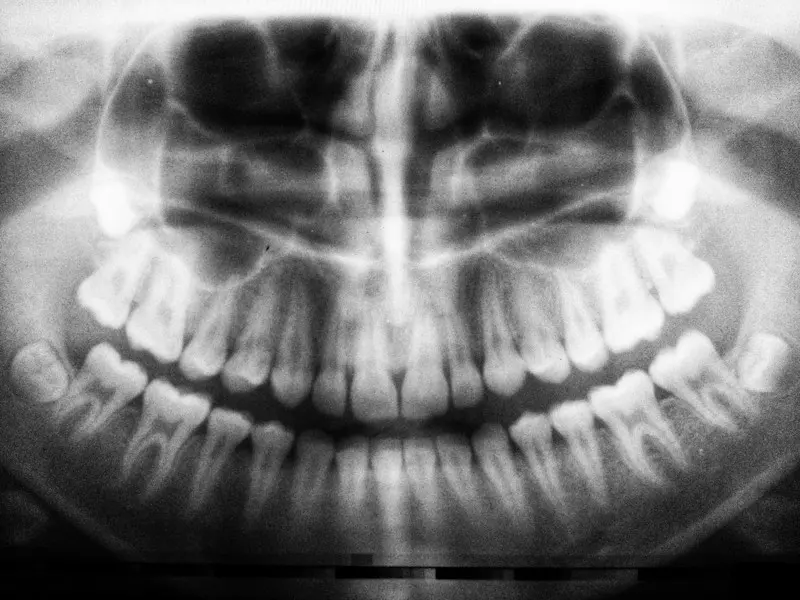
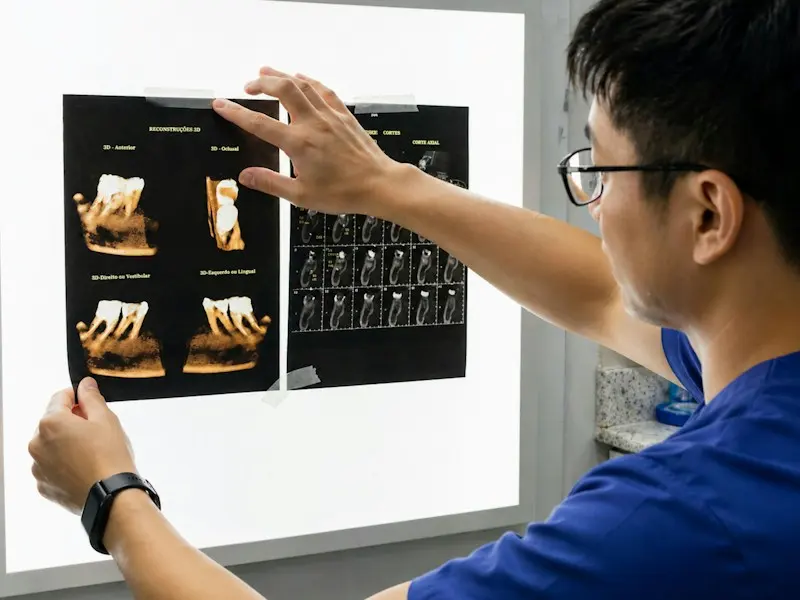
Your dentist examines the back of your mouth and uses digital X-rays, often a panoramic view of the whole jaw, to see the position, angle and roots of each wisdom tooth.
- Step 2
Honest options
We explain whether your wisdom teeth look likely to cause problems, what watching them involves, and what removal would mean, so you can decide with the full picture.
- Step 3
Treatment or referral
If removal makes sense, your dentist talks you through the process and recovery. Some cases are referred to a specialist, such as an oral surgeon, depending on the position of the teeth.
The basics
Understanding impacted wisdom teeth
Wisdom teeth are your third molars, the last teeth at the back of each side of the upper and lower jaw. A wisdom tooth is called impacted when it can't come in normally. It may be trapped completely under the gum and bone, tilted toward the next tooth, or only partly through the gum. Many people don't know they have impacted wisdom teeth until an X-ray shows them.
Impacted wisdom teeth don't always cause problems, but they can. A tooth that is partly through the gum leaves an opening where food and bacteria collect, which can lead to a painful gum infection called pericoronitis. Impacted teeth can also be hard to clean, which raises the risk of cavities and gum disease on the wisdom tooth and the molar next to it. Less often, a fluid-filled sac called a cyst forms around the tooth. Your dentist will tell you whether yours should be watched or removed.
Complimentary Consultation
Free
Meet Dr. Roach or Dr. Gietzen, talk through your smile goals and leave with a clear plan.
For new patients. No sales pitch and no obligation.
What are impacted wisdom teeth?
Impacted wisdom teeth are third molars, the last teeth at the back of the mouth, that don’t have enough room to come in normally. They may stay trapped under the gum and bone, grow in at an angle, or break through only partway. Some cause no symptoms. Others lead to pain, infection or damage to nearby teeth.
Most people have four wisdom teeth, one in each corner of the mouth, though some people have fewer or none at all.
Common signs
Impacted wisdom teeth don’t always cause symptoms. When they do, you may notice:
- Pain or tenderness at the back of your mouth, sometimes spreading toward your ear
- Red, swollen or tender gums behind your last molars
- Gums that bleed around a tooth that has partly come in
- A bad taste or bad breath that keeps coming back
- Swelling along your jaw, or trouble opening your mouth all the way
- Food getting trapped at the back of your mouth
- A toothache in the molar in front of the wisdom tooth
Pain that comes and goes is common with a wisdom tooth that is partly through the gum. Even if the pain settles down, the cause is usually still there.
When to see a dentist
Book a visit if you have pain, swelling or a bad taste at the back of your mouth, or if it’s been a while since anyone checked your wisdom teeth. For teens and young adults, your dentist can check how wisdom teeth are developing during regular exams, often before they cause trouble.
Call us promptly if you notice:
- Swollen, painful gums around a wisdom tooth
- Pain that keeps coming back, or that makes it hard to chew
- Pus or a bad-tasting fluid near the back teeth, which can be a sign of infection or an abscess
- A cavity or sensitivity in a back molar
Get emergency care right away if you have swelling that spreads into your cheek, under your jaw or into your neck, a fever, any trouble breathing or swallowing, or you can’t open your mouth. These can be signs of a spreading infection.
Until you’re seen, rinse gently with warm salt water, keep the area as clean as you can, and use over-the-counter pain relievers as directed on the label if they are safe for you.
How we can help
Your visit starts with an exam of the back of your mouth and digital X-rays, often including a panoramic image that shows your whole jaw in one picture. It shows where each wisdom tooth is, which way it is angled, and how close its roots are to nearby nerves and teeth.
- Watching and waiting. If your wisdom teeth aren’t causing problems and don’t look likely to, your dentist may suggest keeping an eye on them with regular exams and X-rays.
- Treating an infection. If the gum around a wisdom tooth is infected, the first step is usually to clean the area and calm the infection. Your dentist may prescribe antibiotics if they are needed.
- Wisdom teeth removal. When a wisdom tooth is causing problems or is likely to, your dentist may recommend wisdom teeth removal. You’ll hear how the area is numbed and what recovery looks like before you decide.
- Simple extractions. A wisdom tooth that has fully come in can often be removed much like other teeth. Learn more about tooth extractions.
Some cases are referred to a specialist, such as an oral surgeon, especially when a tooth is deeply impacted or close to a nerve. If a referral makes sense for you, your dentist will explain why and help coordinate your care.
Wondering about your wisdom teeth? New patients can start on our new patients page, or you can book an appointment for an exam.
Treatment options
Treatments we use for impacted wisdom teeth
Emergency Dentistry
Prompt care for severe toothaches, broken or knocked-out teeth and dental swelling. Call our office right away and our team will tell you what to do next.
Learn more →Tooth Extractions
Careful tooth extractions when a tooth can't be saved. Your dentist numbs the area, explains each step and helps you plan healing and replacement.
Learn more →Oral Surgery
Oral surgery at our office includes tooth extractions, wisdom tooth removal, bone grafting and dental implant placement, with numbing and clear aftercare steps.
Learn more →Related conditions
Other conditions we treat in Waterford Twp
Patient reviews
What our Waterford Twp patients say
“I have been a client at Dental 1 for many many years and have found them knowledgeable, professional and caring. Also, the staff is awesome”
“The best team ever”
“They did a great job.Thank you”
Do impacted wisdom teeth always need to be removed?+
No. Some impacted wisdom teeth never cause problems and can be watched with regular exams and X-rays. Others are more likely to cause infection, decay or damage to nearby teeth. Your dentist will look at the position of your teeth and explain whether removal makes sense for you.
At what age do wisdom teeth come in?+
Wisdom teeth usually come in between about ages 17 and 21, though they can show up later, and some people never get them at all. Your dentist can often see how they are developing on X-rays during the teen years, before they cause trouble.
What is pericoronitis?+
Pericoronitis is an infection of the gum tissue around a wisdom tooth that has only partly come through. Food and bacteria get trapped under the flap of gum, causing pain, swelling, a bad taste and sometimes trouble opening your mouth. It needs a dental visit, especially if swelling is spreading.
Can wisdom teeth damage my other teeth?+
They can. A wisdom tooth pushing against the molar in front of it can make that tooth hard to clean, which raises the risk of cavities and gum problems there. In some cases it can also damage the neighboring tooth's root. X-rays help your dentist spot these problems early.
When is wisdom tooth pain an emergency?+
Get emergency care right away if swelling spreads into your cheek, under your jaw or into your neck, or if you have a fever, trouble breathing or swallowing, or can't open your mouth. These can be signs of a spreading infection. For milder pain or swelling, call your dentist promptly.
What can I do for wisdom tooth pain at home?+
Rinse gently with warm salt water, keep the area clean with careful brushing, and use over-the-counter pain relievers as directed on the label if they are safe for you. These steps may ease discomfort for a short time, but they don't fix the cause, so call your dentist.
Can a general dentist remove wisdom teeth?+
Some wisdom teeth can be removed by a general dentist, especially ones that have fully come in. Others, such as deeply impacted teeth or teeth close to a nerve or the sinus, are often referred to an oral surgeon. Your dentist will explain which approach fits your situation.