Services
Dentures & Partials in Waterford Twp
Full and partial dentures replace missing teeth with a removable, custom-fit appliance. Learn about your options, the fitting process and daily care.
Dental 1
Dentures & Partials in Waterford Twp
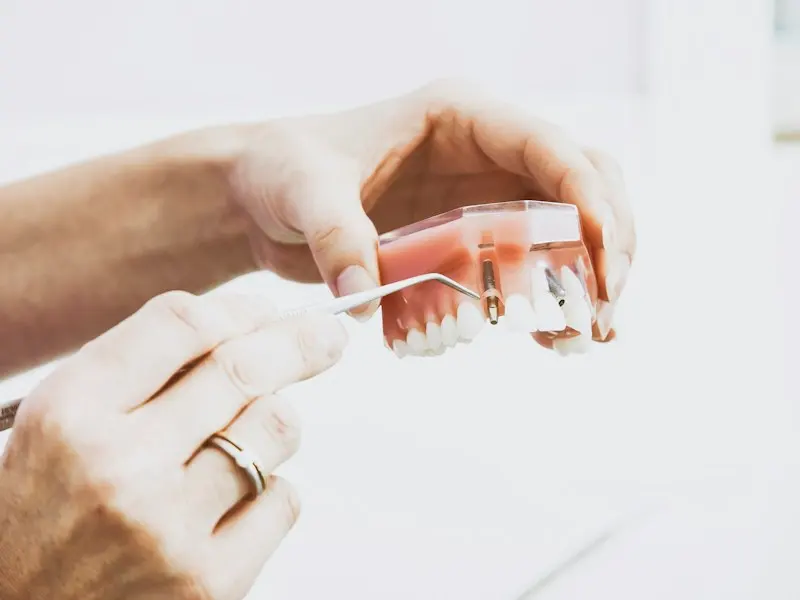
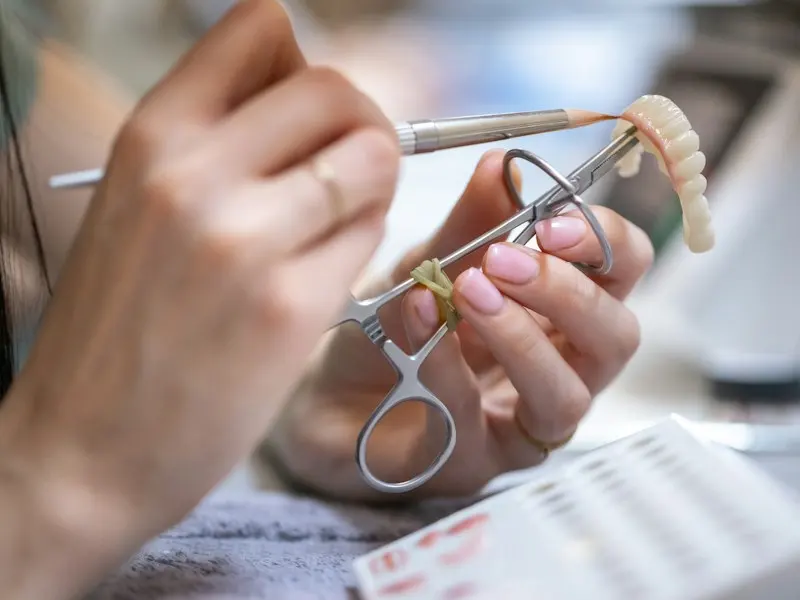
Missing several teeth, or all of them, can make it hard to eat, speak clearly and smile with confidence. Dentures and partials are removable replacements made to fit your mouth. A full denture replaces all the teeth on the upper or lower jaw. A partial denture fills gaps between the natural teeth you still have. Your dentist will explain the types, what the fitting process looks like, and what to expect as you get used to your new teeth.
How it works
What to expect with dentures & partials
- Step 1
Exam and planning
Your dentist examines your gums, any remaining teeth and your jaw, and takes X-rays. Teeth that cannot be saved, or gum problems, are planned for first.
- Step 2
Impressions and try-in
Impressions or scans and bite records are taken so the denture is made for your mouth. You try in a wax model to check the look, fit and bite before it is finished.
- Step 3
Fitting and follow-up
Your dentist fits the finished denture, shows you how to put it in, take it out and clean it, and sees you for follow-up visits to ease any sore spots.
Why patients choose it
Benefits of dentures & partials
Replaces several or all missing teeth
Custom made to fit your mouth and your bite
Supports your lips and cheeks for a fuller look
Can make chewing and speaking easier
Removable for easy cleaning
Can often be relined or repaired as your mouth changes
The basics
About dentures & partials
Teeth can be lost to decay, gum disease, injury or other health problems. When several teeth are missing, the teeth that remain can shift and take on extra chewing load, and your face may look different because your lips and cheeks have less support. Many people with missing teeth also start to avoid certain foods, which can affect what they eat day to day. Replacing teeth can help you chew a wider range of foods and support your lips and cheeks.
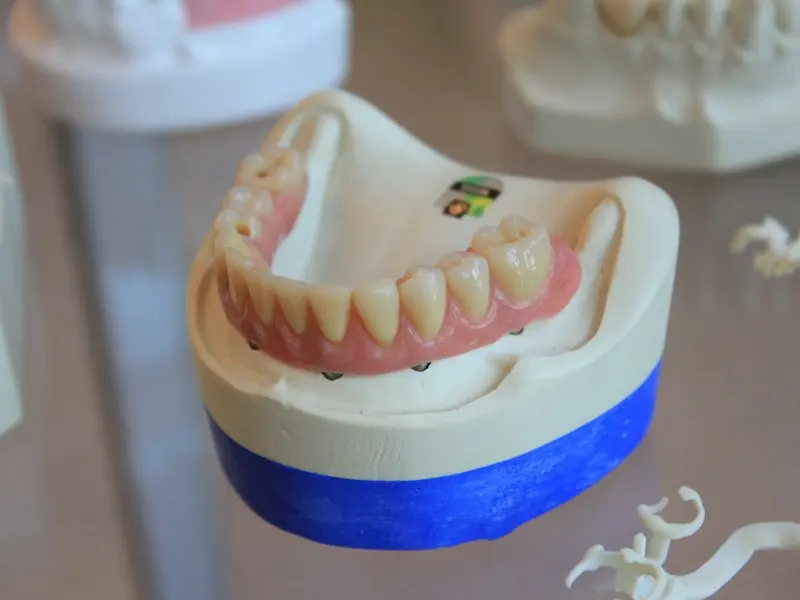
A full denture is a set of artificial teeth on a gum-colored base that rests on your gums. An upper denture is held mainly by suction against the roof of the mouth. A lower denture rests on the ridge of the jaw and often feels less steady, because the tongue and cheeks move it. A partial denture attaches to your natural teeth with small clasps or other connectors. For more stability, some dentures can snap onto dental implants. Your dentist will talk with you about which type fits your mouth and goals.
Complimentary Consultation
Free
Meet Dr. Roach or Dr. Gietzen, talk through your smile goals and leave with a clear plan.
For new patients. No sales pitch and no obligation.
What are dentures and partials?
Dentures and partials are removable replacements for missing teeth. A full denture replaces every tooth on the upper or lower jaw. A partial denture fills one or more gaps and attaches to your remaining natural teeth. Both are custom made from impressions of your mouth so they fit your gums and your bite.
Dentures are an ongoing part of your care. Your mouth keeps changing, so your dentist checks the fit at regular visits and reshapes or relines the denture when it starts to feel loose.
What to expect
Exam and planning. Your dentist looks at your gums, any remaining teeth and the shape of your jaw, and takes X-rays. If some teeth need to come out, or your gums need treatment, that is planned first. You will talk about full or partial dentures, implant-supported options, and what fits your health and budget.
Impressions and try-in. Your dentist takes impressions or digital scans and records how your jaws line up. You help choose the shape and shade of the teeth. Before the denture is finished, you try in a wax model so you and your dentist can check the look, the fit and your bite. Changes are simple to make at this stage.
Fitting day. Your dentist places the finished denture, checks for pressure spots and shows you how to put it in, take it out and clean it. If you are getting immediate dentures, they are placed right after your teeth are removed.
The first few weeks. New dentures take practice. Your mouth may make more saliva at first, and some words may sound different. Reading aloud can help your tongue and lips get used to them. Start with soft foods cut into small pieces, and chew slowly on both sides at once to keep the denture steady. Sore spots are common. Follow-up visits let your dentist make small adjustments so the denture sits more comfortably. Please do not bend clasps or file the denture yourself, because that can damage it.
Ongoing care. Clean your denture every day, and brush your gums, tongue and any natural teeth with a soft brush. Keep your regular checkups even if you have no natural teeth left. At these visits your dentist checks the fit, looks for sore spots and does an oral cancer screening.
Who it helps
Dentures or partials may be a good fit if you have:
- Several missing teeth on the same jaw, or no natural teeth left
- Teeth that need to come out because of advanced decay or gum disease
- An old denture that has become loose, cracked or uncomfortable
- A preference for a removable option, or a reason to avoid surgery
If you are missing only one or two teeth with strong teeth on either side, a dental bridge may be another option. If you want a steadier fit, ask about dental implants, which can help hold a denture in place. Some implant cases are referred to a specialist, such as an oral surgeon or periodontist, and your dentist will coordinate that care with you. If teeth need to be removed first, our page on tooth extractions explains what to expect.
A sore spot that does not heal within a couple of weeks, with or without a denture, should be checked by your dentist.
Why choose our office
Getting dentures is a big change, and it helps to know what is coming. Your dentist explains each step, walks you through the pros and cons of each type, and lets you see the look of your new teeth at the try-in before the denture is finished. Questions are welcome at every visit, and follow-up appointments are part of the process.
Our team can check your insurance benefits before treatment and walk you through any costs. You can also look at our payment options page.
To get started, visit our new patient page or book an appointment for an exam.
What it helps
Conditions we treat with dentures & partials
What is the difference between full dentures and partials?+
A full denture replaces all the teeth on the upper or lower jaw and rests on the gums. A partial denture replaces some teeth and attaches to the natural teeth you still have. Your dentist will tell you which type fits your mouth after an exam.
How long does it take to get used to new dentures?+
It often takes a few weeks to feel at ease. Eating and speaking can feel strange at first, and sore spots are common. Start with soft foods cut into small pieces and chew on both sides. Follow-up visits help with any rubbing or pressure.
Can I wear my dentures while I sleep?+
Taking dentures out at night is usually recommended, so your gums can rest. Keep them in water or a denture-soaking solution so they do not dry out and lose their shape. Your dentist will tell you what works for your type of denture.
How do I clean my dentures?+
Rinse them after meals and brush them daily with a soft brush and a denture cleanser, not regular toothpaste, which can scratch. Handle them over a folded towel or a sink of water in case you drop them. Avoid hot water, which can warp them.
What are immediate dentures?+
Immediate dentures are made ahead of time and placed the same day your remaining teeth are removed, so you are not without teeth while you heal. Your gums and bone change shape as they heal, so these dentures usually need relining or replacing after several months.
How often do dentures need to be replaced?+
Your gums and jawbone slowly change over time, so a denture that once fit well can become loose. Many dentures need a reline, which reshapes the inside for a closer fit, or a replacement after several years. Regular checkups help your dentist spot fit problems early.
Should I use denture adhesive?+
A small amount of adhesive can add a feeling of security, but a well-fitting denture should not need a lot of it. If you find yourself using more and more, the denture may be loose. Call our office so your dentist can check the fit.
Can implants help hold my dentures in place?+
In many cases, yes. Two or more dental implants placed in the jaw can give a denture something to snap onto, which can make it steadier, especially on the lower jaw. Your dentist will check your health and bone and tell you whether this is an option.
Explore more
Related services
Patient reviews
What our Waterford Twp patients say
“I have been a client at Dental 1 for many many years and have found them knowledgeable, professional and caring. Also, the staff is awesome”
“The best team ever”
“They did a great job.Thank you”